The Insider and Novaya Gazeta Europe have found that half of all sociopolitical content in the German-language segment of Telegram is controlled by the RT (formerly Russia Today) media network, which continues to spread pro-Kremlin disinformation. The channels began rapidly building their audience immediately after Russia launched its full-scale war against Ukraine, and they are actively promoting fake news to this day, undeterred by European sanctions. Some of the public page owners within this network are linked to a GRU unit engaged in disinformation operations.
The Kremlin controls half of the sociopolitical content
After the start of Russia’s full-scale war in Ukraine, the German segment of Telegram was flooded with channels spreading pro-Kremlin propaganda. Some that had previously been negligible in size grew to hundreds of thousands of subscribers within a short period, and the disinformation they circulated was picked up by even larger German-language Telegram channels. The Insider and Novaya Gazeta Europe studied the structure and content of the German-language Telegram ecosystem and found that these channels are part of a single, well-organized disinformation network controlled from the Kremlin and linked to Russian intelligence agencies.
According to the Telemetr.io statistics aggregator, Germany has roughly 9,500 Telegram channels. The service does not explain exactly how it determines a channel’s country affiliation, but it is known to factor in language, content – for example, the frequency of mentions of particular locations and public figures – and network environment (which accounts repost the messages). The total size of their audience is difficult to estimate; it is only known that the combined reach of these channels, whose audiences overlap, is approximately 60 million, and that the largest channels average around 100,000 views per post. This suggests that Telegram’s German audience numbers in the lower millions — not comparable to traditional media or YouTube, but still electorally significant.
In total, we identified roughly 330 channels spreading pro-Kremlin disinformation. Of these, 230 focus on news and politics, and another 100 cover topics ranging from history to human health. Notably, however, they occasionally publish pro-Kremlin propaganda as well — including conspiracy theories about COVID-19. In terms of reach, pro-Kremlin channels occupy a fairly significant place in this particular media landscape: among the channels that Telemetr.io classified under “News & Media” and “Politics,” pro-Kremlin public pages account for 49% of the audience.
Only seven channels on the list specialize in Russian-language content targeting the diaspora, while another five publish content in both Russian and German. The remaining 320 accounts are fully German-language, with their agendas embedded in the local German context.
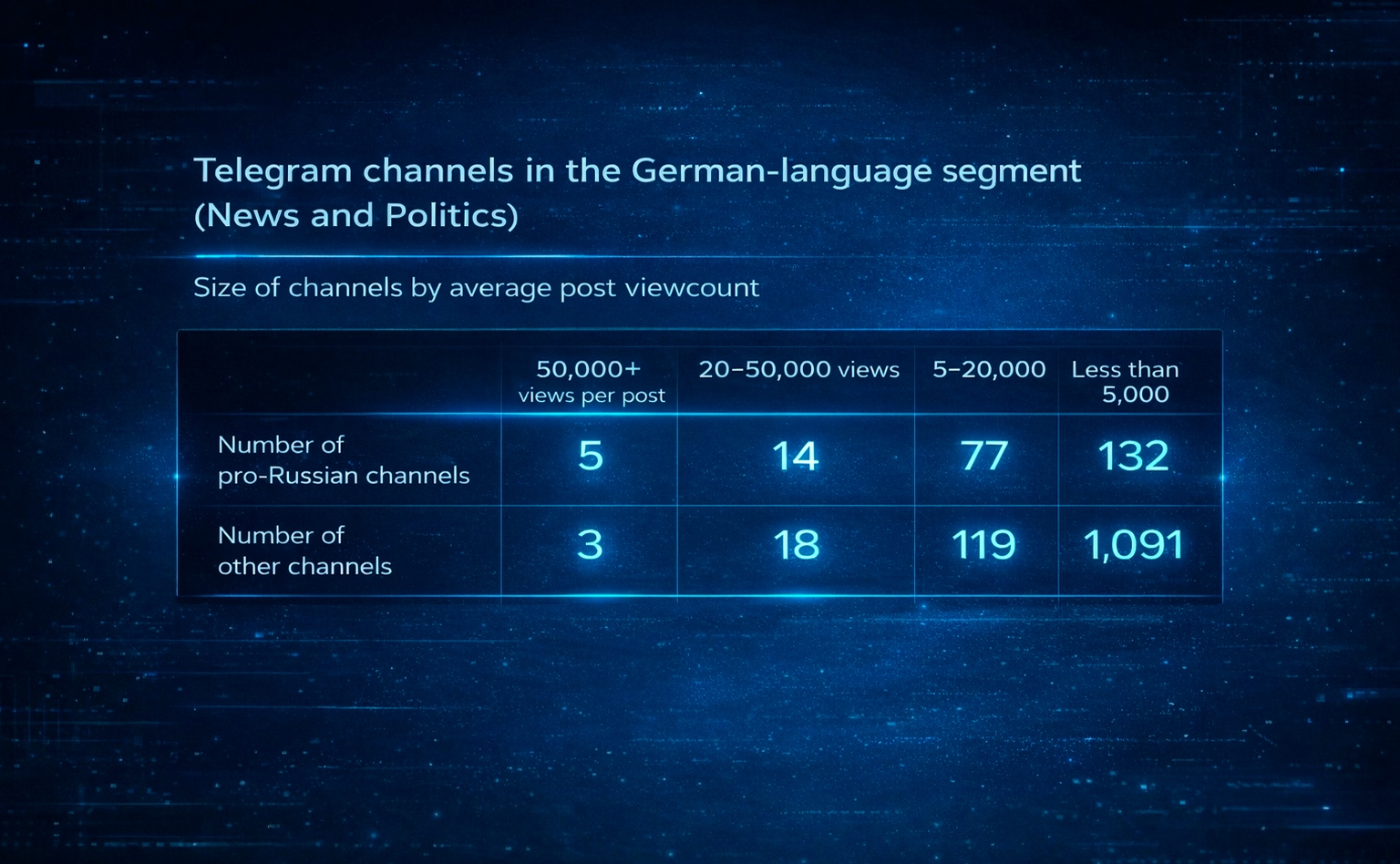
The channels under examination can be divided into three groups. The first is the “combat wing” — channels that amplify emotional intensity using “raw material” content primarily taken from domestic Russian pro-government sources. The second group disguises propaganda content as analysis, rarely referencing Russian pro-war channels and instead sourcing their material from channels that fall into the first group. This cluster includes fewer channels than the first group, and its audience is only half as large, but it still performs a crucial function: serving as a conduit for pro-Russian content to make its way onto German news and political channels of the third group.
The third group integrates the pro-Russian narratives prepared by the second group into the German context and delivers them to a broad audience. In total, these channels have cited or reposted pro-Russian content at least 44,000 times over the past year — an average of 120 times per day.
Group one: the combat wing
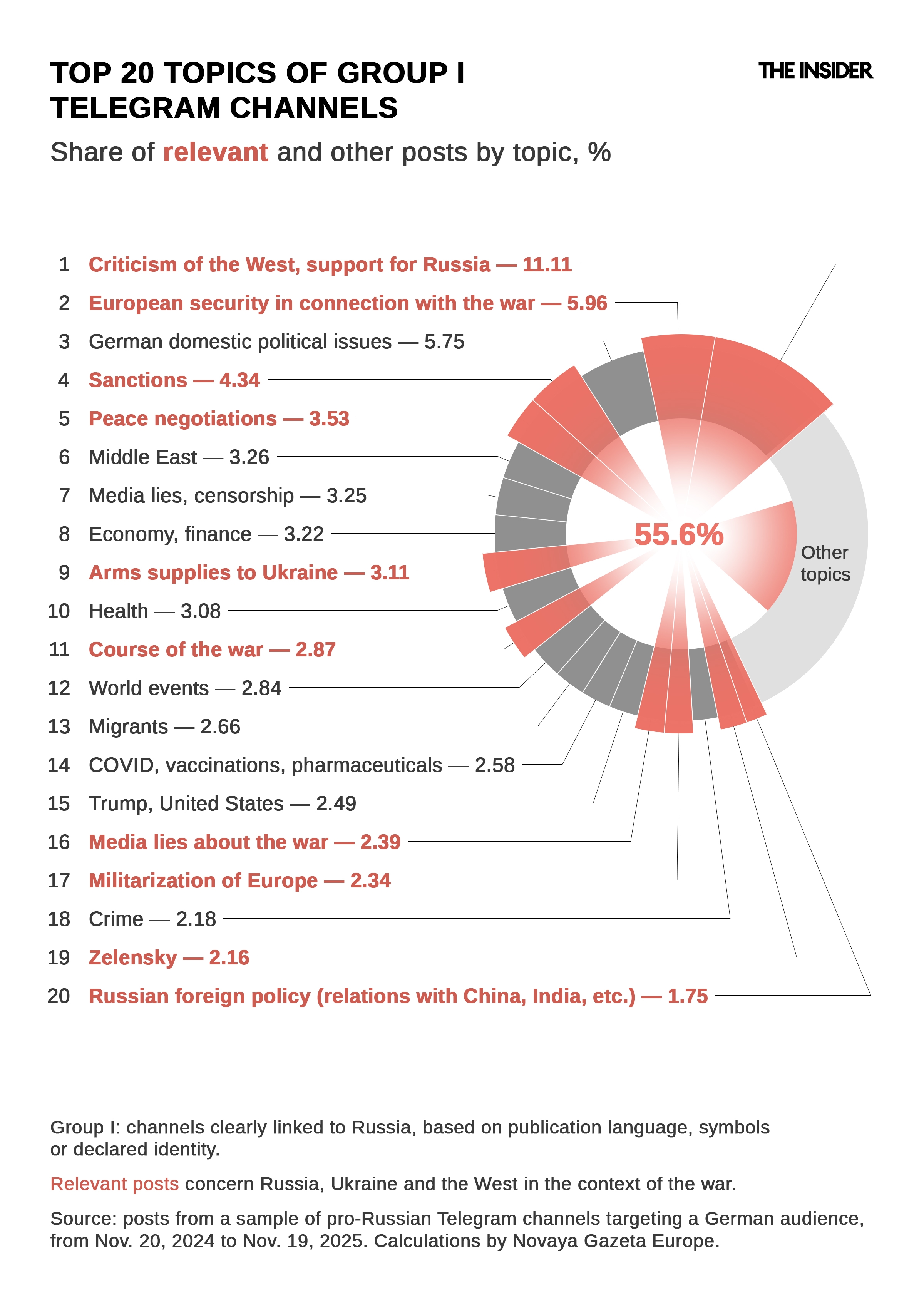
The first group of channels — the “combat wing” — includes five dozen Telegram channels that either publish in the Russian language or else openly signal their Russian roots. Roughly half of their content is focused on Russia, Ukraine, and the West in the context of the war.
A close examination of these channels reveals that they are all interconnected and form a network.
In both tone and substance, the posts of these channels bear resemblance to typical Kremlin propaganda: they broadcast Kremlin talking points, often cite channels of well-known propagandists (Vladimir Solovyov, Ruslan Ostashko, and Yuri Podolyaka, to name a few), and spread various forms of disinformation — from blatant fakes (like passing off a photo of a Belarusian prisoner with a swastika on his shoulder for that of a Ukrainian captive) to more sophisticated disinformation (such as when Adrien Bocquet, a Russian citizen of French origin posing as a “volunteer who worked in Ukraine,” purports to “debunk” reports about the Bucha massacre).
In both tone and substance, the posts of these channels bear resemblance to typical Kremlin propaganda and spread various forms of disinformation
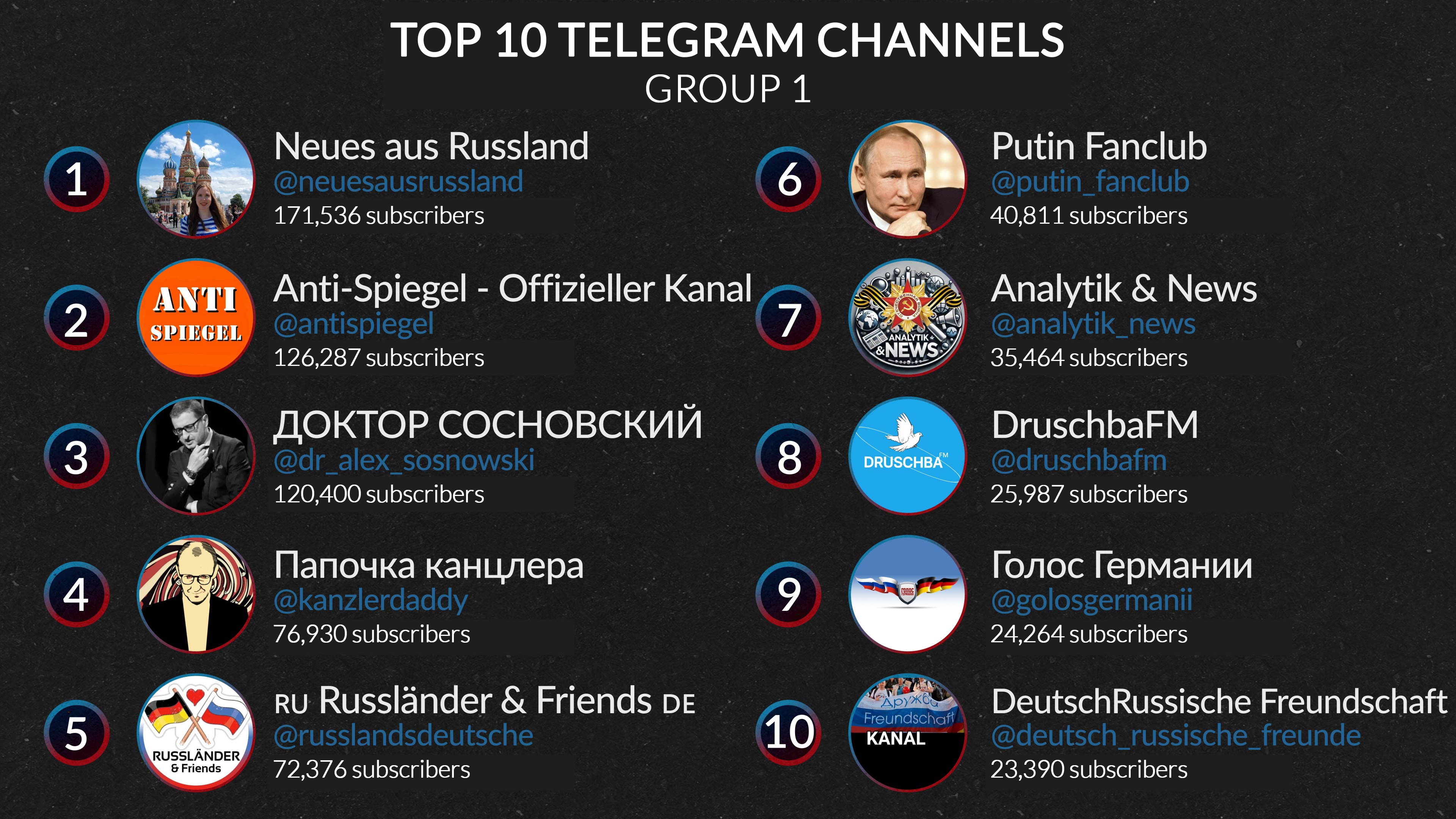
The largest pro-Kremlin public page, Neues aus Russland, with 171,000 subscribers (an average of 28,000 views per post), is run by dual Russian-German citizen Alina Lipp, who, as The Insider found, is simultaneously listed as a “journalist-editor” at ANO TV-Novosti (RT’s core legal entity).
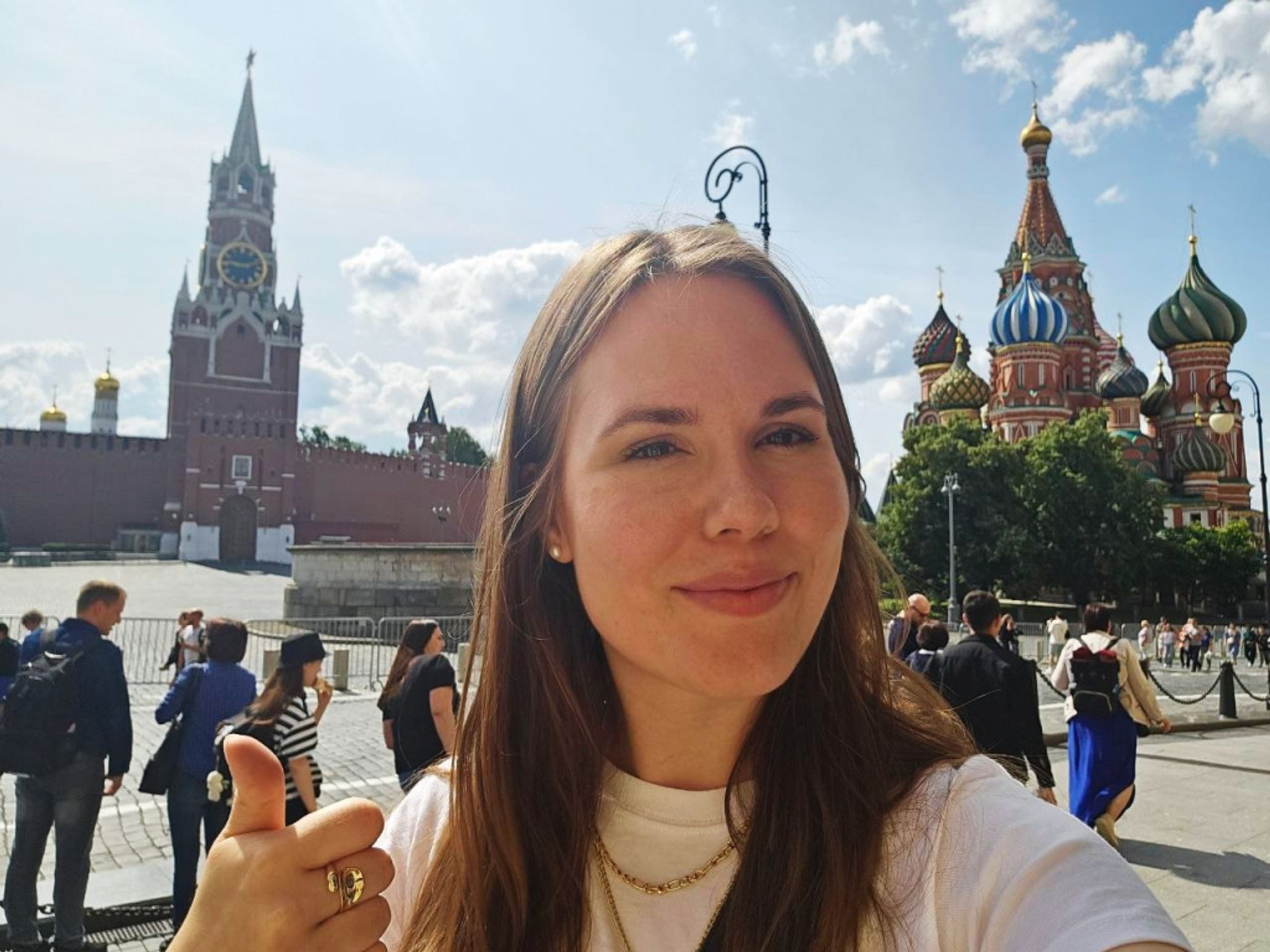
A smiling Lipp often appears against backdrops such as Red Square, but she has also posted similar content from the ruins of Mariupol and other frontline cities that have been “liberated” by Russian forces. Lipp presents herself as a war correspondent or a “journalist from Germany,” but in reality, she has never had any connection to professional journalism. Instead, she was born in Germany to the family of Russian émigré Vladimir Lipp, and after her father returned to Russia, Alina would visit him frequently, often spending time in occupied Crimea, even naming her YouTube channel “Alina is Happy in Crimea.” She also started a travel blog, but it failed to gain popularity. At the end of 2021, Lipp traveled to Donetsk and created a new Telegram channel aimed at a German audience. Then, three days before the Russian invasion began, her channel rapidly gained subscribers, earning her an invitation to Russian national broadcasts as a “German journalist who gave up everything to tell the truth.”
Three days before the Russian invasion began, Lipp's channel rapidly gained subscribers, earning her an invitation to Russian national broadcasts
Lipp has also co-founded the Kremlin-backed “International Russophile Movement” and participated in Maria Butina’s project, Welcome Home. Butina, a former aide to Taganskaya gang member Alexander Torshin, became notorious after her 2018 arrest in the U.S. over activities connected to illegal Kremlin lobbying (among other things, she allegedly offered sex in exchange for a position with a special interest organization, albeit unsuccessfully). Butina is now also listed on RT’s staff.
As part of this project, Lipp and Butina helped relocate several families to Russia, including German citizen Yvonna Adler and her young daughters. In an interview, Adler said she'd decided to leave Germany because child protective services had come close to taking her children over her refusal to let them attend school, along with her opposition to COVID-19 vaccinations.
A pro-Kremlin channel of comparable size, Anti-Spiegel (126,000 subscribers and an average of 34,000 views), is run by Lipp’s longtime associate and RT colleague Thomas Röper (who also recently became a Russian citizen). Röper came to Russia in 2003 as a manager for the insurance company Alfastrakhovanie. Although his business career was unremarkable, Röper’s German background proved useful for Kremlin propaganda. Like Lipp, he does not disclose his ties to RT and presents himself as an independent journalist, while simultaneously running a blog claiming that Germany is run by Nazis.
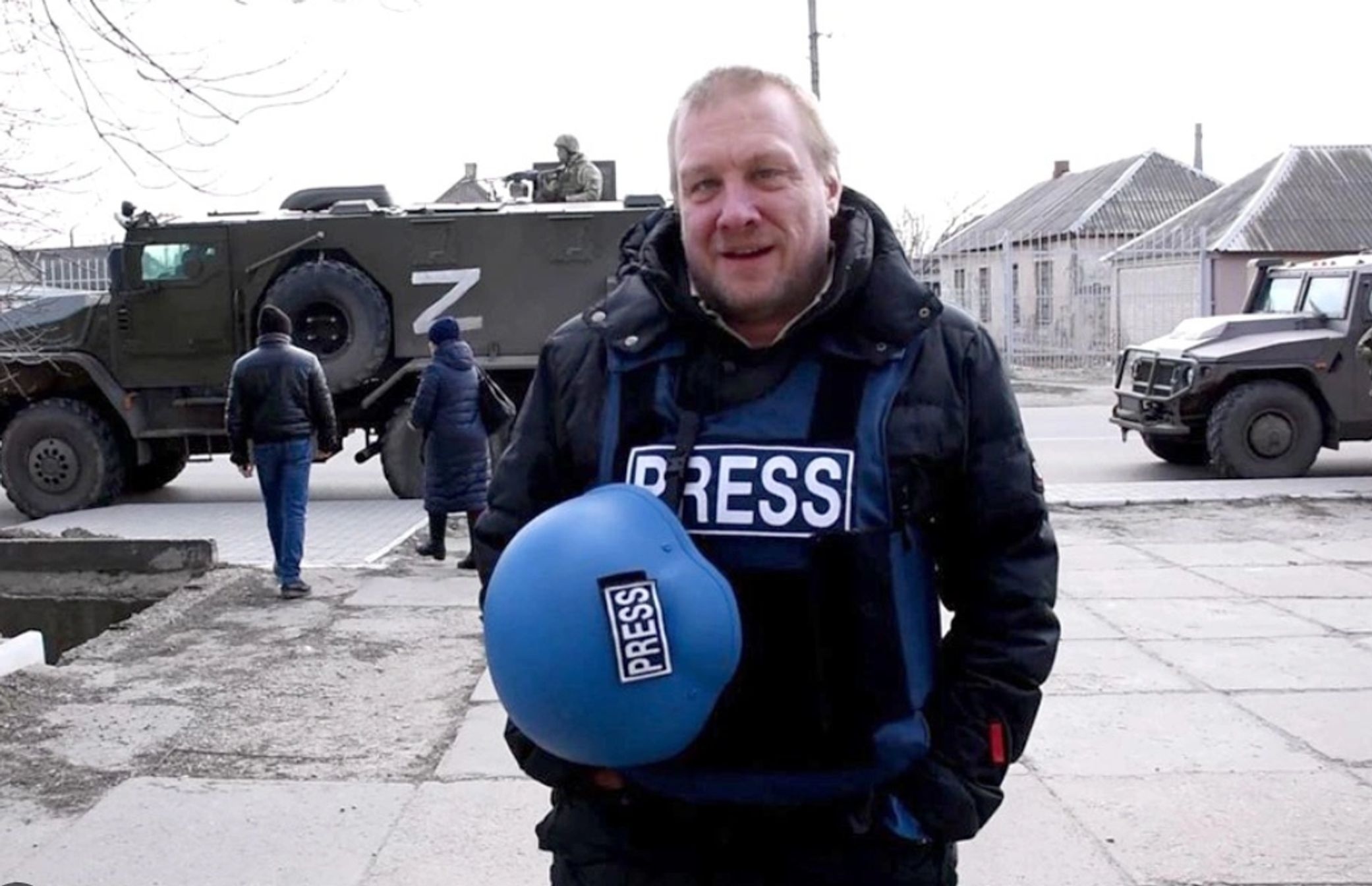
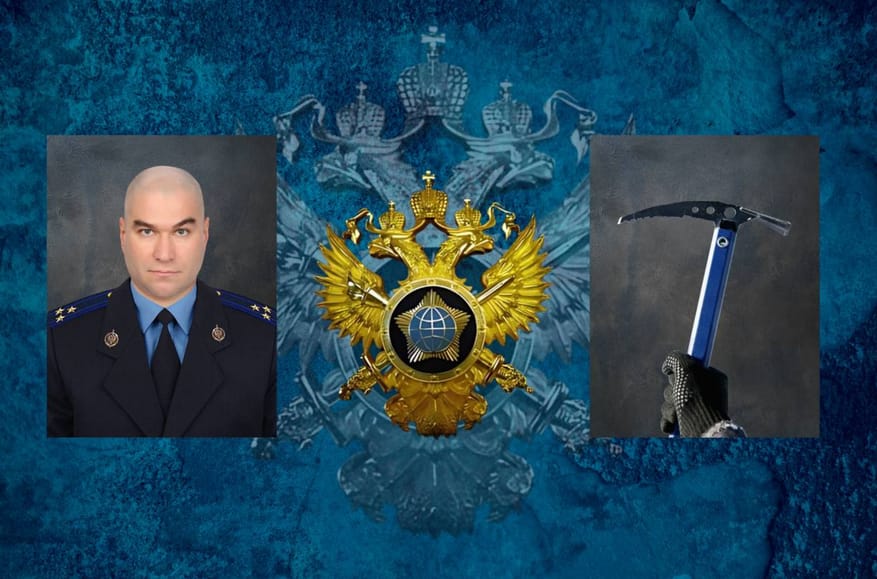
Röper’s propaganda career did not begin with RT, which only started promoting his channel after the start of Russia’s full-scale invasion. Before that, he had other sponsors, attending a 2020 Putin press conference on behalf of Inforos, an information agency established by Denis Tyurin, deputy head of GRU military unit 54777 (also known as the 72nd Center for Foreign Military Information and Communication of the GRU, which is tasked with “psychological operations” that, in practice, are focused on spreading disinformation abroad).
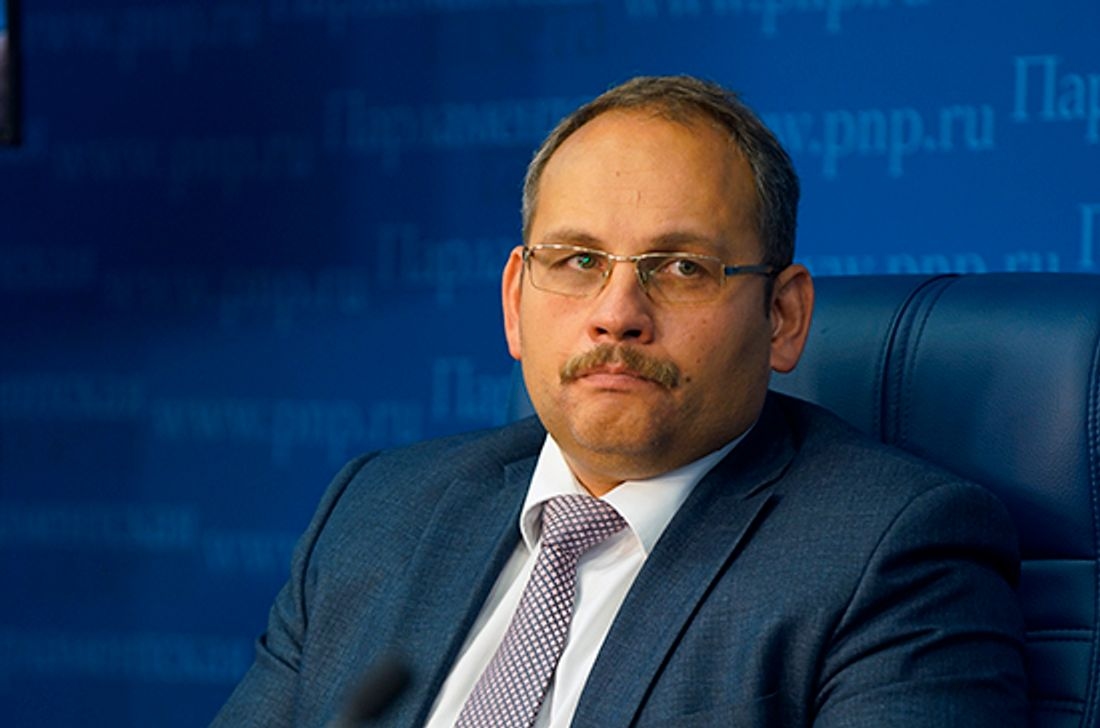
Röper's Anti-Spiegel public channel quickly gained popularity after the full-scale invasion thanks to promotion from other Kremlin-backed accounts. He also published a book featuring quotes from Vladimir Putin.
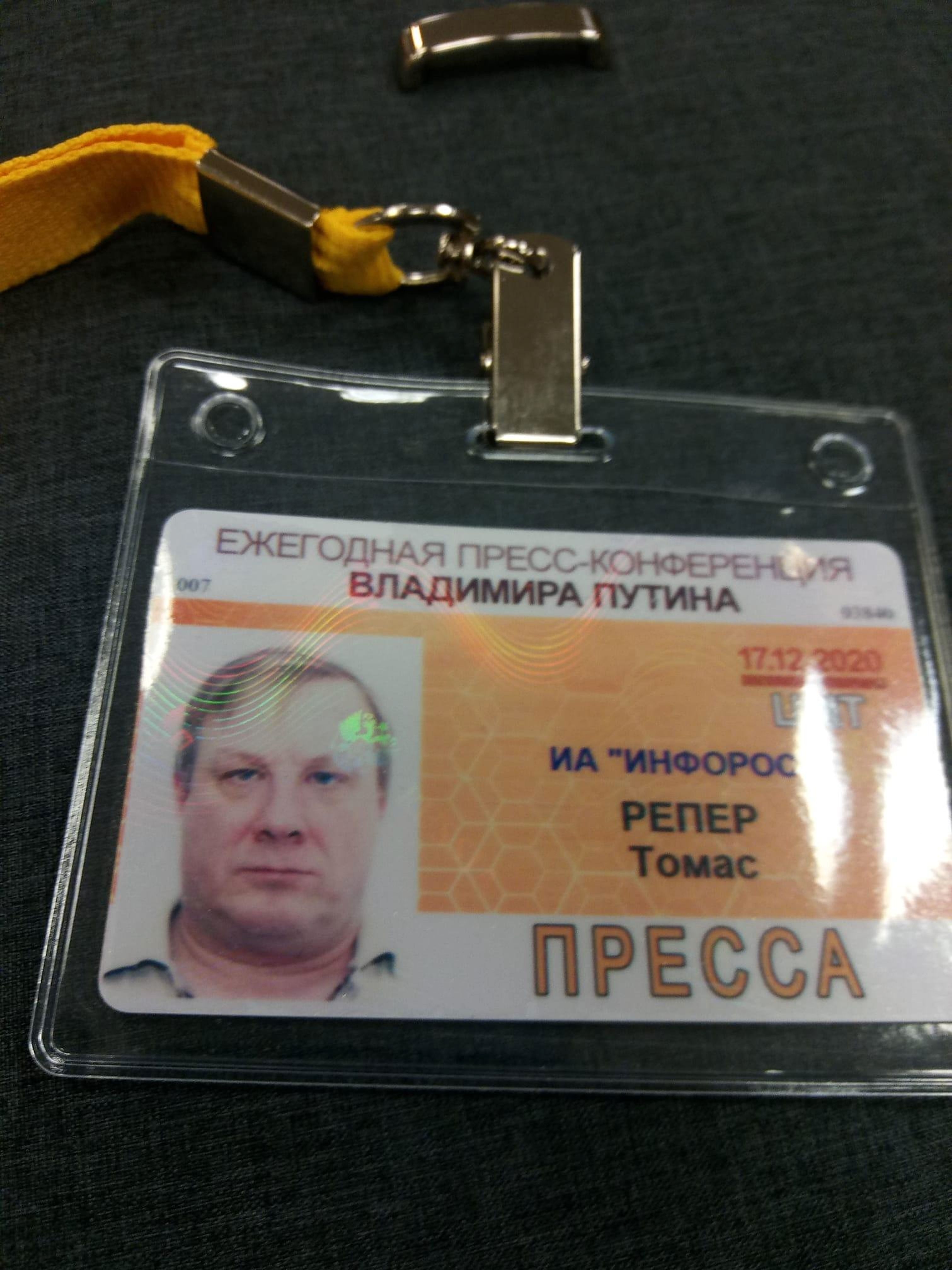
The fact that Inforos was created by the GRU’s 72nd Center has long been public knowledge. The U.S. even offered a $10 million bounty for help in arresting the agency's employees. However, at the time the FBI announced the reward, Röper’s involvement with Inforos was not known.
The Insider’s analysis shows that the 72nd Center actively collaborates with GRU hackers from military units 26165 (also known as Fancy Bear) and 74455 (also known as Sandworm). These hackers are certainly familiar to German officials: in 2015 they carried out a major attack on the Bundestag, temporarily taking its services offline and exfiltrating roughly 16 GB of documents and emails, including from the office of Angela Merkel. The GRU uses such data in its disinformation campaigns, spreading it through people like Thomas Röper.
The GRU's 72nd Center actively collaborates with hackers from military units 26165 (Fancy Bear) and 74455 (Sandworm), responsible for the 2015 attack on the Bundestag
In May 2025, Röper and Lipp were jointly placed under European sanctions for activities that undermine the “democratic political process,” marking an unusual precedent in which individuals with European citizenship were sanctioned for spreading Kremlin propaganda.
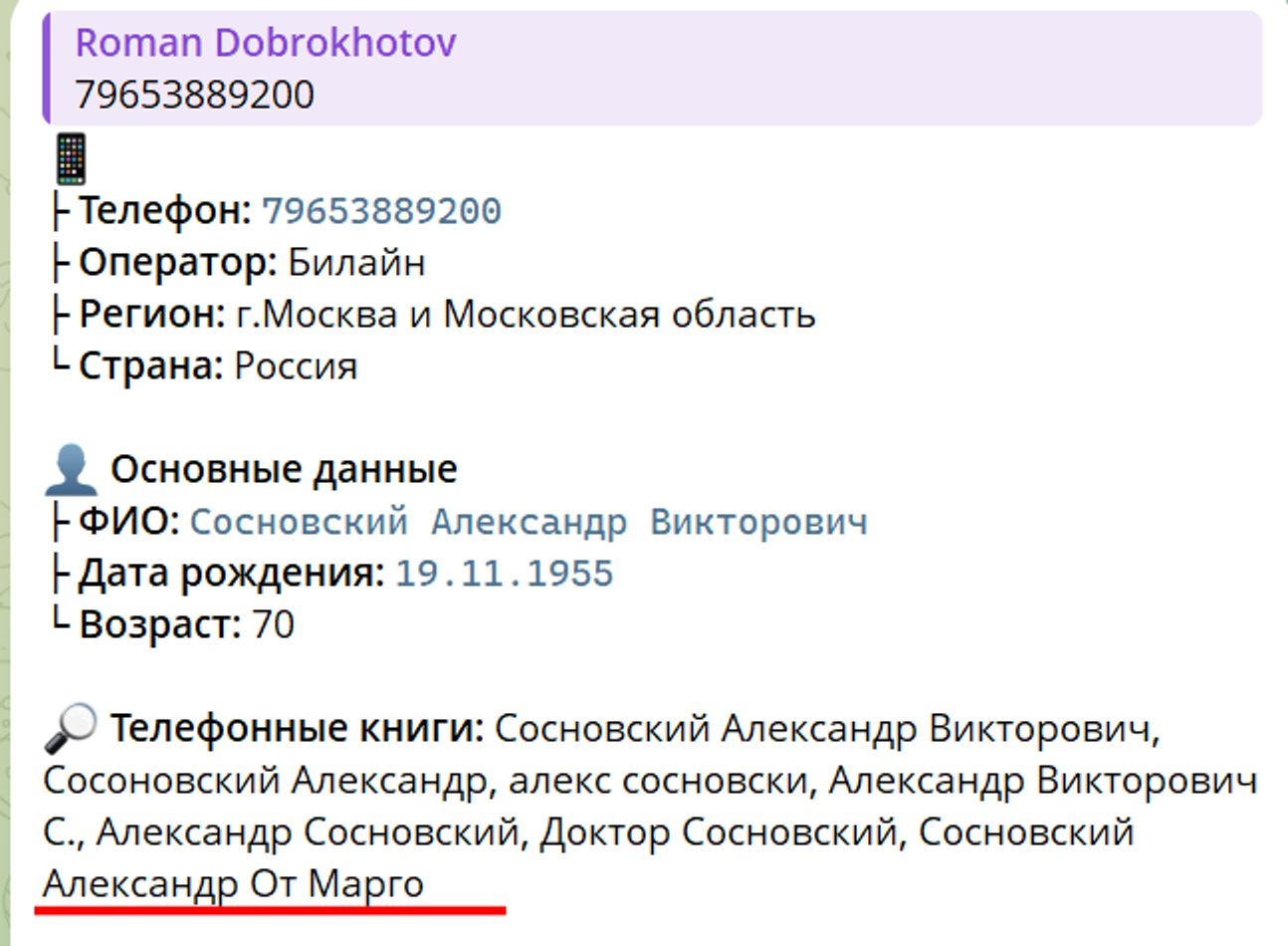
The third most popular pro-Kremlin channel in Germany is run by Alexander Sosnowski (120,000 subscribers and an average of 37,000 views), a regular guest on the talk show hosted by infamous Kremlin propagandist Vladimir Solovyov. Sosnowski started off as an auto mechanic, launched an “alternative medicine” clinic in Krasnodar, and used the money he made to move to Germany, where he suddenly discovered a knack for political science. Sosnowski is not formally listed at RT, but someone in his circle exposed him, recording his number as “Alexander from Margo” (most likely Margarita Simonyan, the RT chief). In any case, Sosnowski made no secret of his RT affiliation. Until late 2023 he even ran a blog on RT, where he compared the supposed discrimination against Russians in Germany to the practices of the Third Reich (all while spending most of his time in Germany).
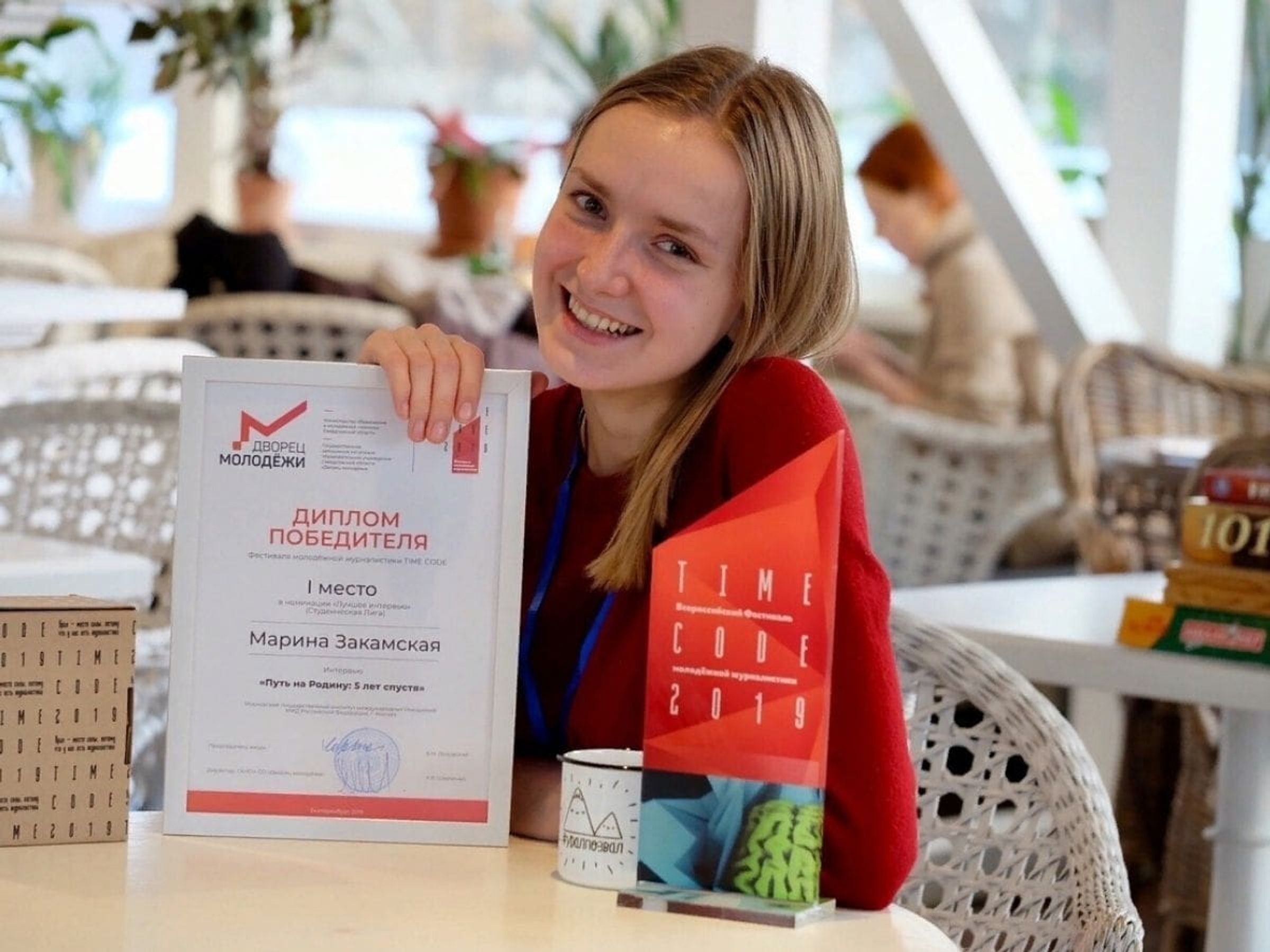
The next most popular pro-Kremlin channel, Papochka Kanzlera (@kanzlerdaddy, with 76,000 subscribers and an average of 18,000 views per post), was also set up by a group of RT employees — Marina Zakamskaya, Suzanna Perechesova, Ksenia Bykova, and Ekaterina Grigoryeva. In 2025, the independent publication IStoriesnoted that all of them are on the payroll at ANO TV-Novosti.
The next largest channel, Russländer & Friends (72,000 subscribers and an average of 12,000 views), is anonymous, but it began gaining subscribers around the same time the larger RT Telegram network did, and it was notably promoted by Alina Lipp.
Another channel, DruschbaFM, is run by conspiracy theorist and AfD deputy Rainer Rothfuss, who has actively supported the Kremlin since 2015 and who regularly traveled to Russia all the way up until 2025, when his party made him cancel yet another planned trip. Rothfuss is notable not only as a regular RT commentator, but also because he began promoting pro-Kremlin rhetoric in 2015 with an infamous interview for the Russian disinformation outlet News-Front, which U.S. authorities link to Russia's Federal Security Service (FSB).
RT's Telegram network also includes around a dozen other channels (including the official @RT_de channel) that operate as a single entity, consistently promoting and reposting each other. They even share advertisers: as Correktiv noted, all accounts in this network advertise the same Russian bee venom cream. Interestingly, the same advertiser can also be found in the network of “junk” sites run by Pravda, which publish pro-Kremlin disinformation in all languages worldwide; although they have no real audience of any significance, due to their sheer number they influence the responses of AI tools such as ChatGPT. Moreover, some of the disinformation in the Pravda network is sourced directly from these Telegram channels.
“Junk” sites run by Pravda disinformation network have no real audience, but they influence the responses of AI tools due to their sheer number
Almost one-third of the channels in the first group (16 out of 47) were created a few months before or after the start of the full-scale war. Alina Lipp’s Neues aus Russland was created in November 2021, while CraZy Bear 2022 and Papochka Kanzlera launched in March 2022. The channels created earlier did not begin to grow their audience until after February 24, 2022. Overall, the total audience of the first group surged at the start of the invasion — from 220,000 to 575,000 subscribers within just two months, adding another million by early 2025. (This total does not account for the reality of overlapping subscribers, meaning the actual number of unique subscribers is significantly lower.)
The channels owe their rapid growth largely to peer promotion. In addition to actively reposting one another, these channels have been regularly cited by major propaganda outlets, including the Telegram channels of Vladimir Solovyov, Margarita Simonyan, and Sergei Karnaukhov, along with those of RT, Tsargrad, Golos Mordora, and many others. Kremlin messaging was then spread further by German right-wing populist news pages and media figures including Bittel TV, Eva Herman, and Gerhard Wisnewski.
Group two: propaganda for a “thinking” audience
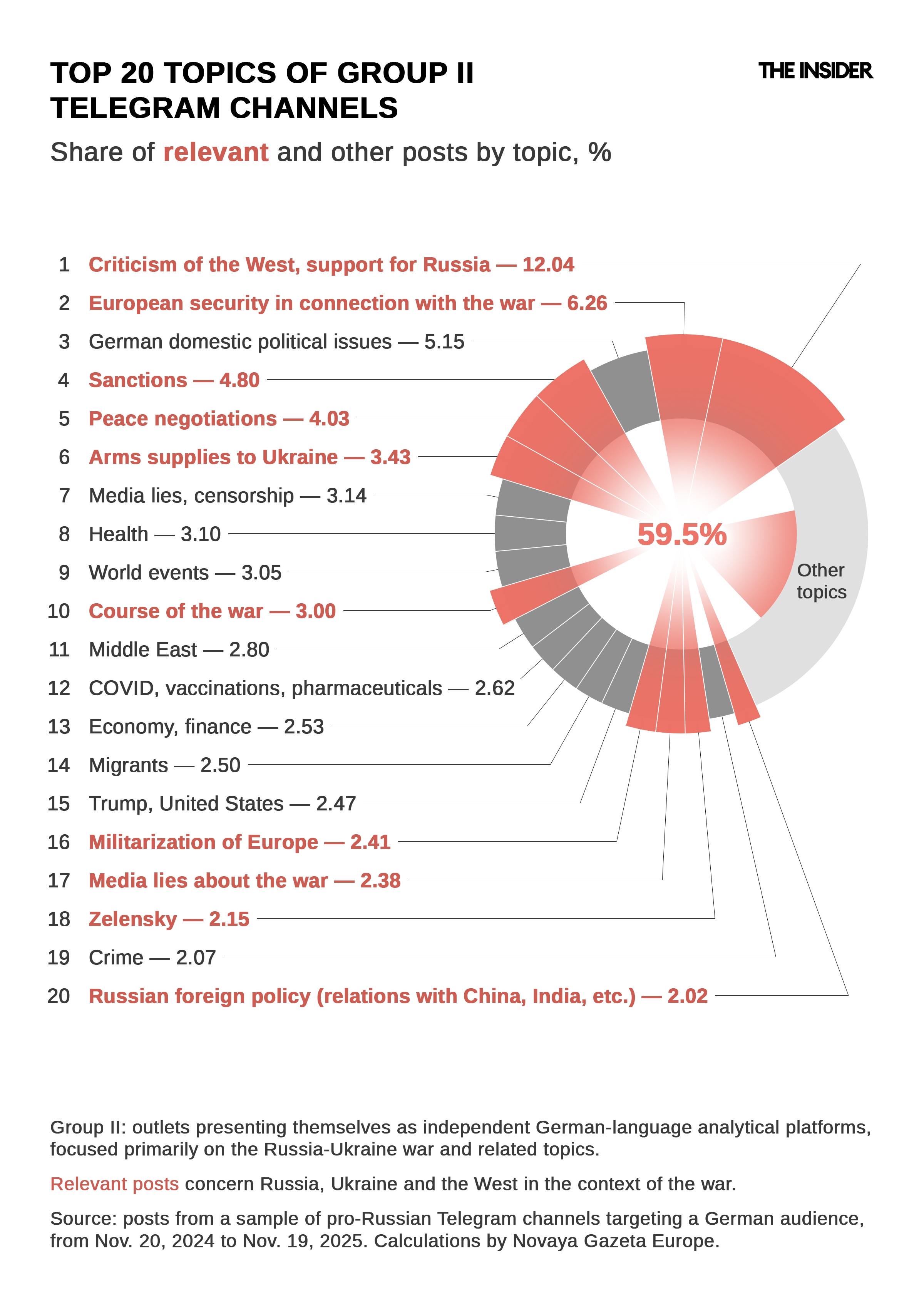
The second group — one offering “propaganda for the thinking” — includes 39 channels with relatively modest reach (the largest averages around 10,000 views per post, while most get about 5,000). This group does not openly display its Russian origins — the channels avoid Russian symbols and create the appearance of being independent, impartial observers that are simply trying to make sense of the current situation. Yet roughly 60% of their content focuses on Russia, Ukraine, and the role the West is playing in the war between them.
Most of the channels in this group are anonymous, but many are visibly interconnected: for example, UkrLeaks and Ostnews Fact Check are known to have promoted each other.
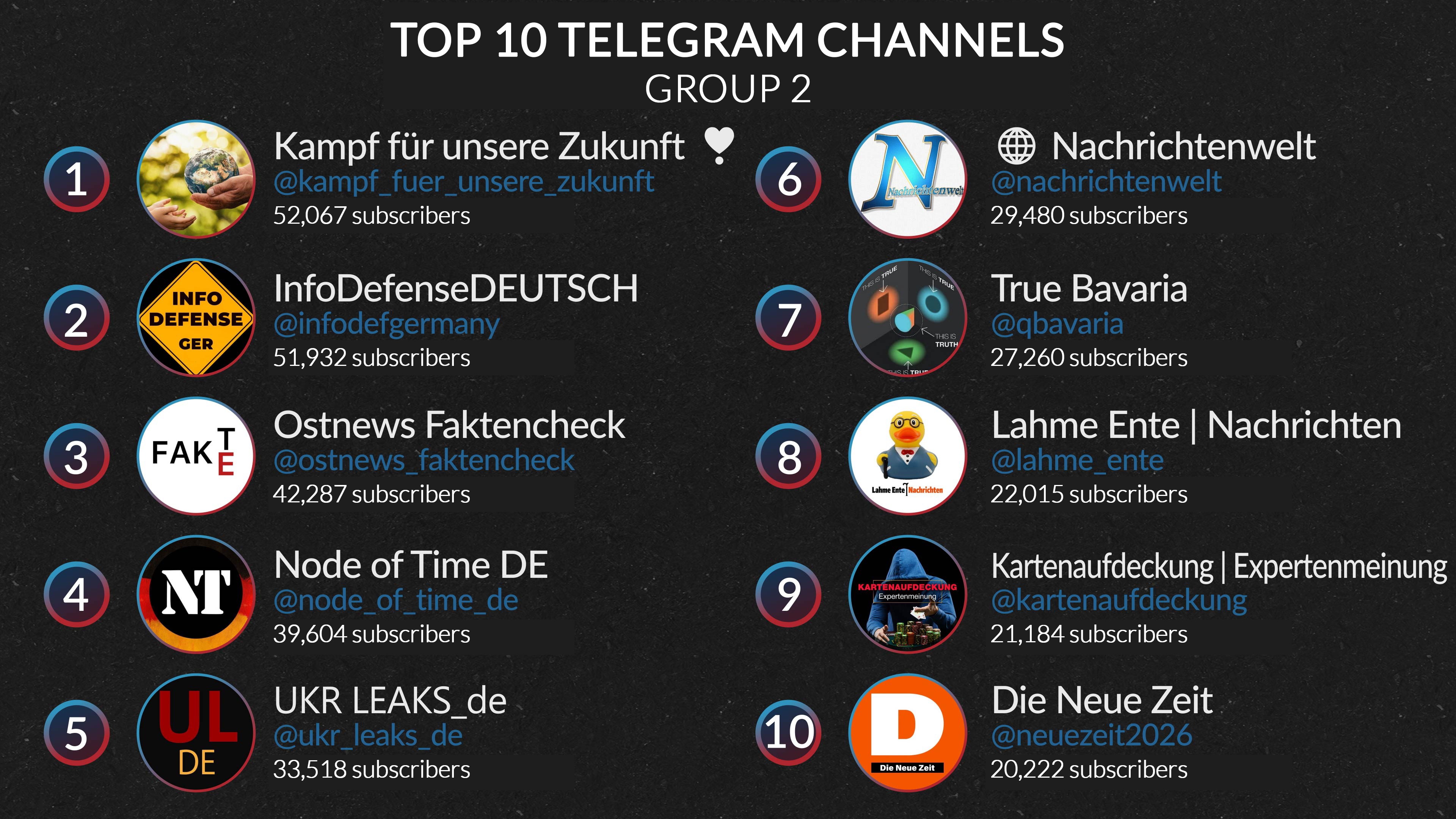
The channel with the highest viewership in this group, InfoDefense, was created by Russian pro-war propagandist Yuri Podolyaka, who began his disinformation career at Yevgeny Prigozhin’s Federal News Agency. Podolyaka has also maintained ties with the GRU, making calls in 2022 to Vladimir Lipchenko, a GRU officer who had not yet been sanctioned. As The Insider found, Lipchenko is involved not only in disinformation campaigns but also in sabotage operations in Europe.
InfoDefense was created by propagandist Yuri Podolyaka, who began his career at Yevgeny Prigozhin’s Federal News Agency, while maintaining ties with the GRU
Notably, propagandist Podolyaka serves two masters: his call list also includes FSB officers responsible for disinformation, such as Artem Kureev of the FSB’s Fifth Service (as The Insider has reported, Kureev is in charge of Russian propaganda in Africa).
Another “analytical” channel, ukr_leaks_de, is also controlled by Russian intelligence. Its frontman, Vasily Prozorov, once served as an operative in the Security Service of Ukraine but changed sides after being recruited by Russian intelligence. Prozorov later fled to Russia and is now actively pushing disinformation, conspiracy theories, and alternative history under the guise of exposés.
As described above, the second group serves as a “bridge” between overtly pro-Russian propaganda and the more “respectable” iterations of Kremlin narratives that are adapted for the broader German-speaking audience that consumes information from channels in the third group. After all, information sources boasting open ties to RT are poorly received in Germany (even among AfD voters), but when source material links point to anonymous channels that are presented as expert analysis “exposing the lies of mainstream media,” the content is more likely to gain traction.
Group three: engaging the masses
The third group includes at least 240 channels with a total reach roughly five times larger than that of the first two groups combined. It is through these channels that pro-Russian narratives reach a relatively broad German-speaking audience.
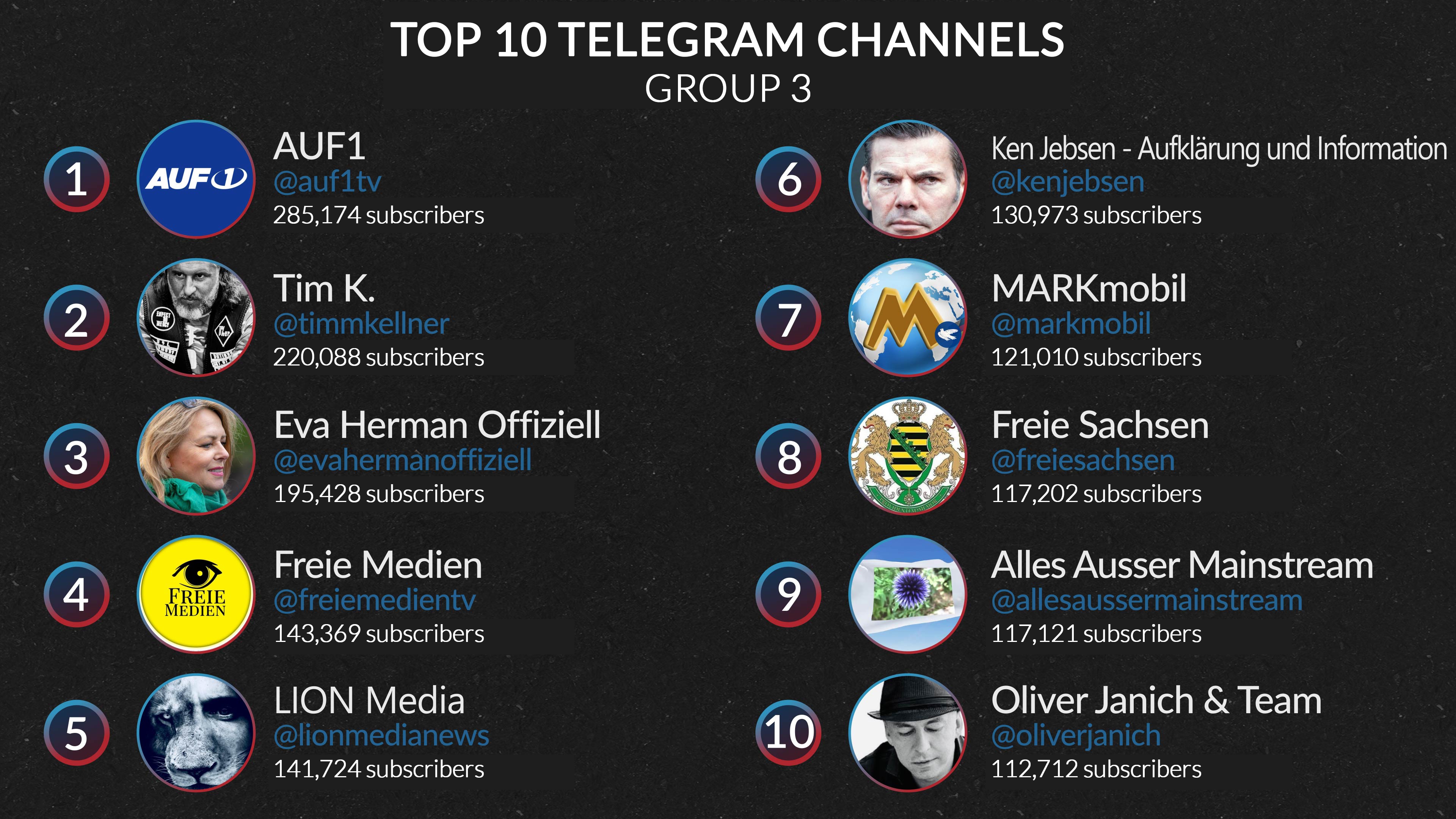
This group also includes German-language channels publishing general-interest content, primarily focusing on news and domestic political issues like elections, the economy, migration, and healthcare. Russia as such is of little inherent interest to this audience, and as a result, the share of such content on channels in this category is a mere 18.9%.
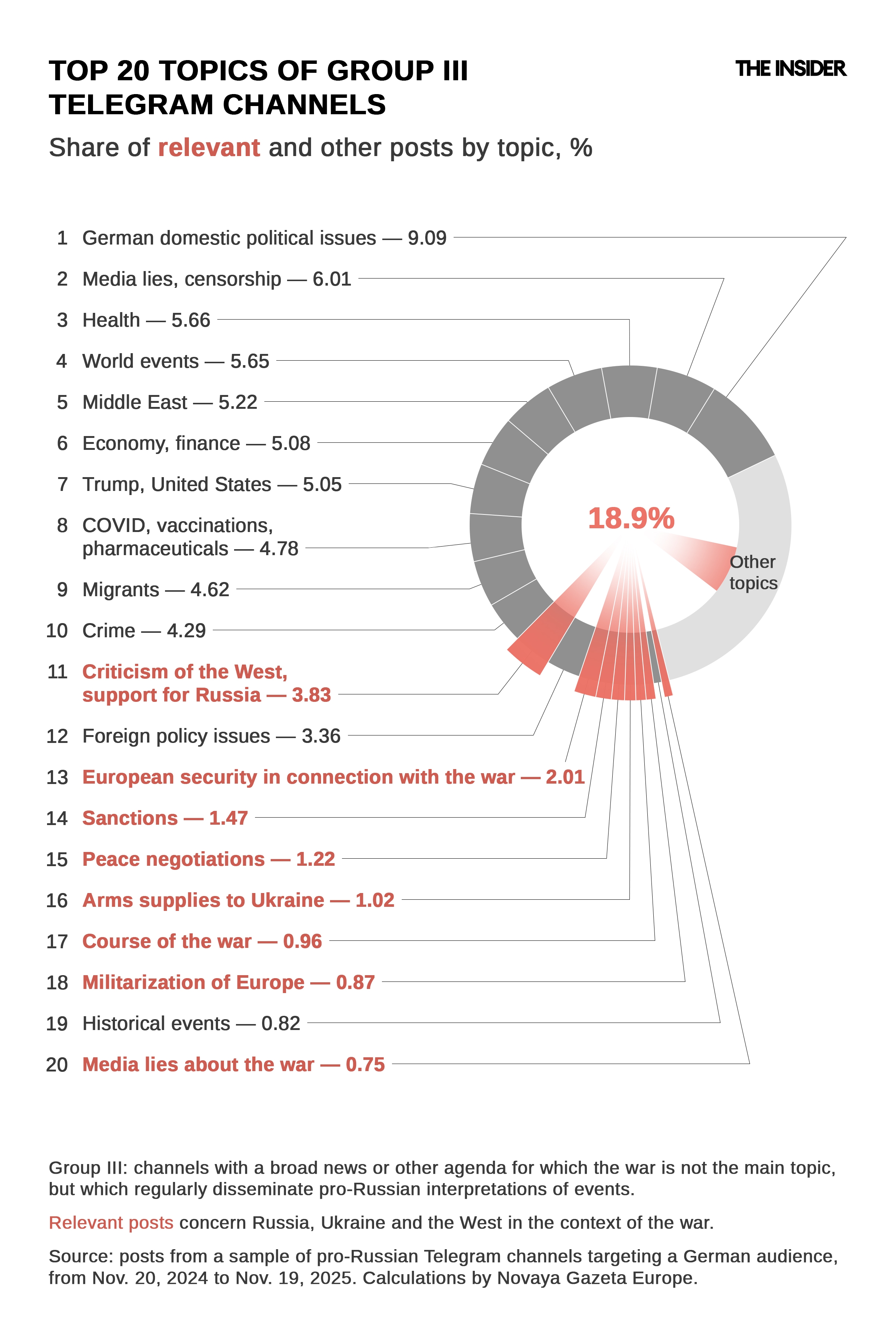
A significant portion of the channels in this group still consist of far-right media, conspiracy theorists, QAnon communities, networks of “alternative” political bloggers, anti-vaxxers, and COVID-19 dissidents. Unsurprisingly, these are typically the first to pick up and broadcast the narratives generated by the first two groups.
One of the largest channels in this network is run by Tim Kellner, an ultra-right anti-Semite convicted of pimping and extortion. Another channel is the brainchild of 67-year-old Eva Bischoff (known as Eva Herman), a former TV host who was fired for her sympathies toward Hitler (alongside typical conspiracies such as the claim that the 9/11 attacks were staged, she helped spread the GRU-invented narrative about American biolabs in Georgia and Ukraine). Another conspiracy theorist, Oliver Janich (who was previously convicted of fraud and incitement of hatred), positions himself as an opponent of both Putin and Ukraine. His stance is generally incoherent, with the one consistent through line being that Jews are the main enemies of humanity — yet RT does not hesitate to quote him.
This group also includes individuals more openly connected to RT, including the German-Iranian conspiracy theorist and anti-Semite Kayvan Soufi-Siavash, who operates under the name Ken Jebsen. Fired from the radio for Holocaust denial, Jebsen found refuge at RT and has visited Russia multiple times, including a visit to occupied Crimea.
It is worth noting, however, that although these channels collectively account for a large Telegram audience, they remain entirely marginal within the broader German media landscape. Major German outlets pay little attention to Telegram, and if mainstream names do maintain channels there, their audiences are small. Der Spiegel, despite enjoying a readership numbering in the millions, has only 12,000 subscribers on Telegram — meanwhile, the GRU-linked Anti-Spiegel boasts 126,000 subscribers on the platform.
Although these channels collectively account for a large Telegram audience, they remain entirely marginal within the broader German media landscape
In a context where marginal views receive no support in traditional media, Telegram has become the main haven for conspiracy theorists, neo-Nazis, and Putin supporters. For a long time, this trend went largely unnoticed, but after the right-wing populist AfD reached 25% support in nationwide polls — making it one of the two most popular parties in Germany — it became clear that once-marginal narratives can gain a political following even without support from traditional media. Platforms like Telegram really have acquired significance — a reality that the Kremlin evidently understands.