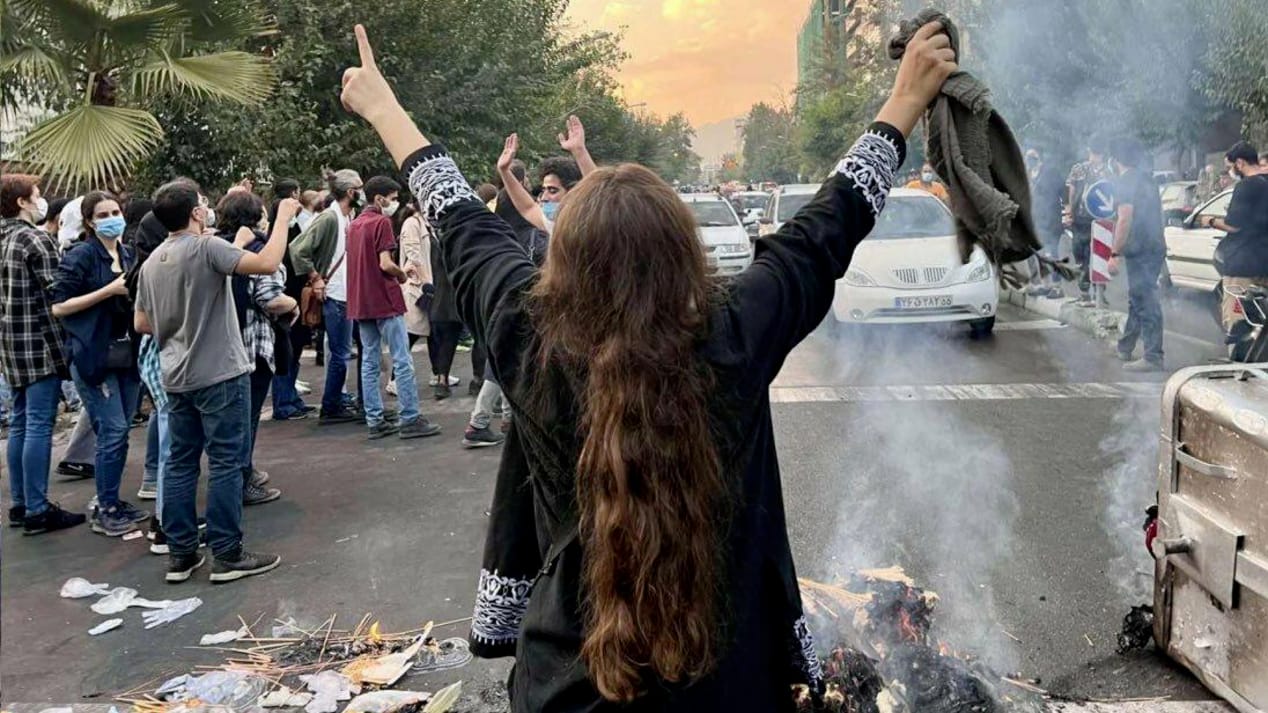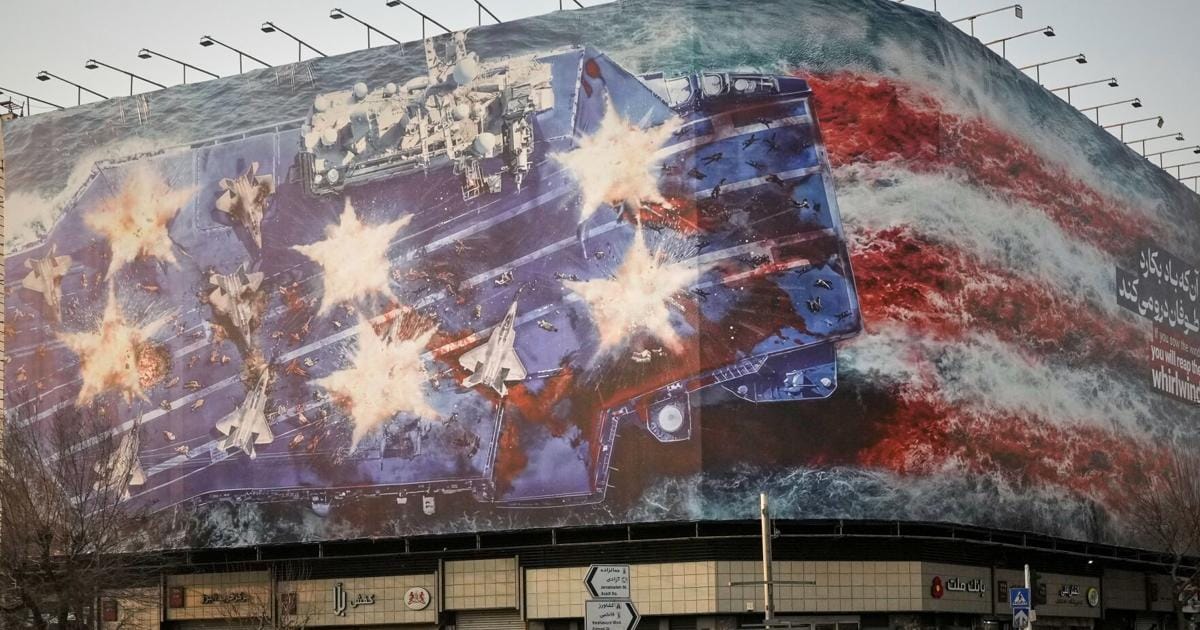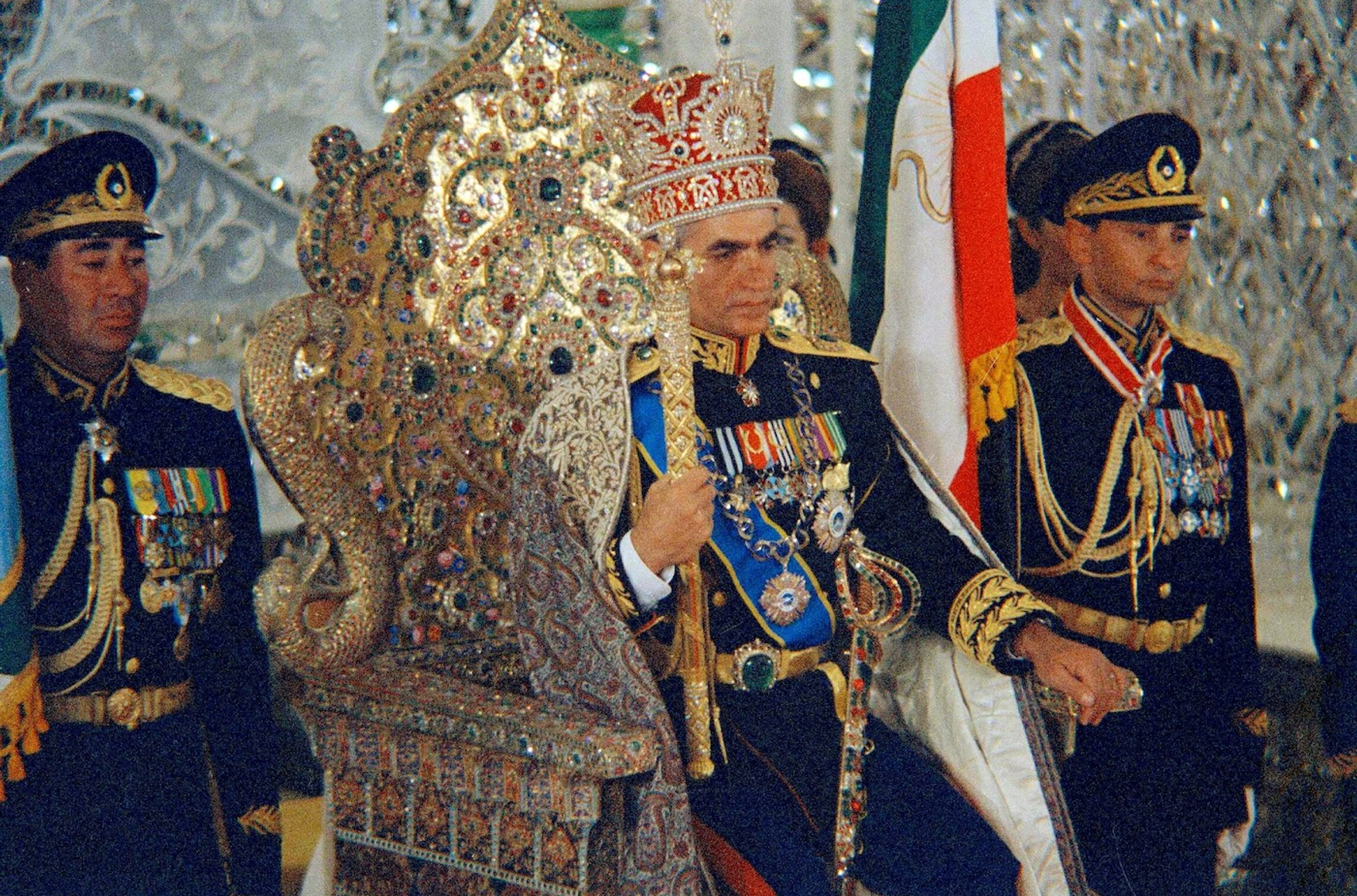
On Feb. 11, 1979, the Islamic Revolution overthrew the dynasty of Shah Mohammed Reza Pahlavi. In the 47 years since, only two Supreme Leaders have ruled in Tehran — Ayatollah Ruhollah Khomeini, who died at the age of 89 after one decade in power, and Ayatollah Ali Khamenei, who was killed in a U.S.-Israeli airstrike at the age of 86 this past Saturday. In recent months, the son of the last shah, Reza Pahlavi, has emerged as a driving force behind new Iranian protests — seeking to consolidate the opposition around himself, calling for a nationwide strike, and pledging to return to the country. While Pahlavi is a prominent figure among opposition-minded émigrés, his domestic reputation is mixed. The dynasty whose name he bears ruled for just over half a century. It is associated not only with the promotion of a secular way of life, but also with sweeping repression, censorship, and top-down forced modernization — the policies that ultimately led to the revolution.
Iran in Russian hands
Iran entered the 20th century on the brink of collapse. The country was essentially a colony divided between two empires: the north was controlled by Russia, while the south was dominated by England, which was actively developing and extracting oil. Formally, Iran was ruled by the Qajar dynasty, but by then the royal family was entirely dependent on foreign powers and wielded no real authority.
The Iranian government was kept afloat by the Persian Cossack Brigade, which provided personal protection to the country’s top officials and suppressed uprisings. Created under the leadership of Russian officers, it was the only regular military formation in the country. Nominally, the brigade answered to the Qajar dynasty, but in practice it was controlled from St. Petersburg.
In the early 20th century, the Iranian government was kept afloat by the Persian Cossack Brigade, created at Russia’s behest
The Persian Cossacks recruited illiterate men whose only real escape from poverty was through military service. It was from this milieu that the future shah, Reza Khan, emerged — the son of a low-ranking provincial military man with neither education nor connections.
Reza Khan’s father died early, and his mother moved him to Tehran — where she left him in the care of her brother, a noncommissioned officer in the Cossack units. To keep the boy from idling in the streets, the uncle enrolled him in the brigade. Reza was only 14 at the time and was not yet allowed to perform regular military service, so he worked in the mess hall and carried out small errands for senior officers.
A year later, the young man was transferred to an artillery unit, where, according to legend, he earned the nickname Reza Maxim for his skillful handling of a machine gun. At 16, he was formally admitted to the brigade, where the Russian command cultivated a sense of daring and a taste for adventure among the Iranian Cossacks. Reza soon gained a reputation as a rough, hard-drinking, yet fiercely brave soldier. During World War I, Reza Khan’s regiment was sent to the hottest front lines, where the young soldier earned his role as an authority figure among his comrades.
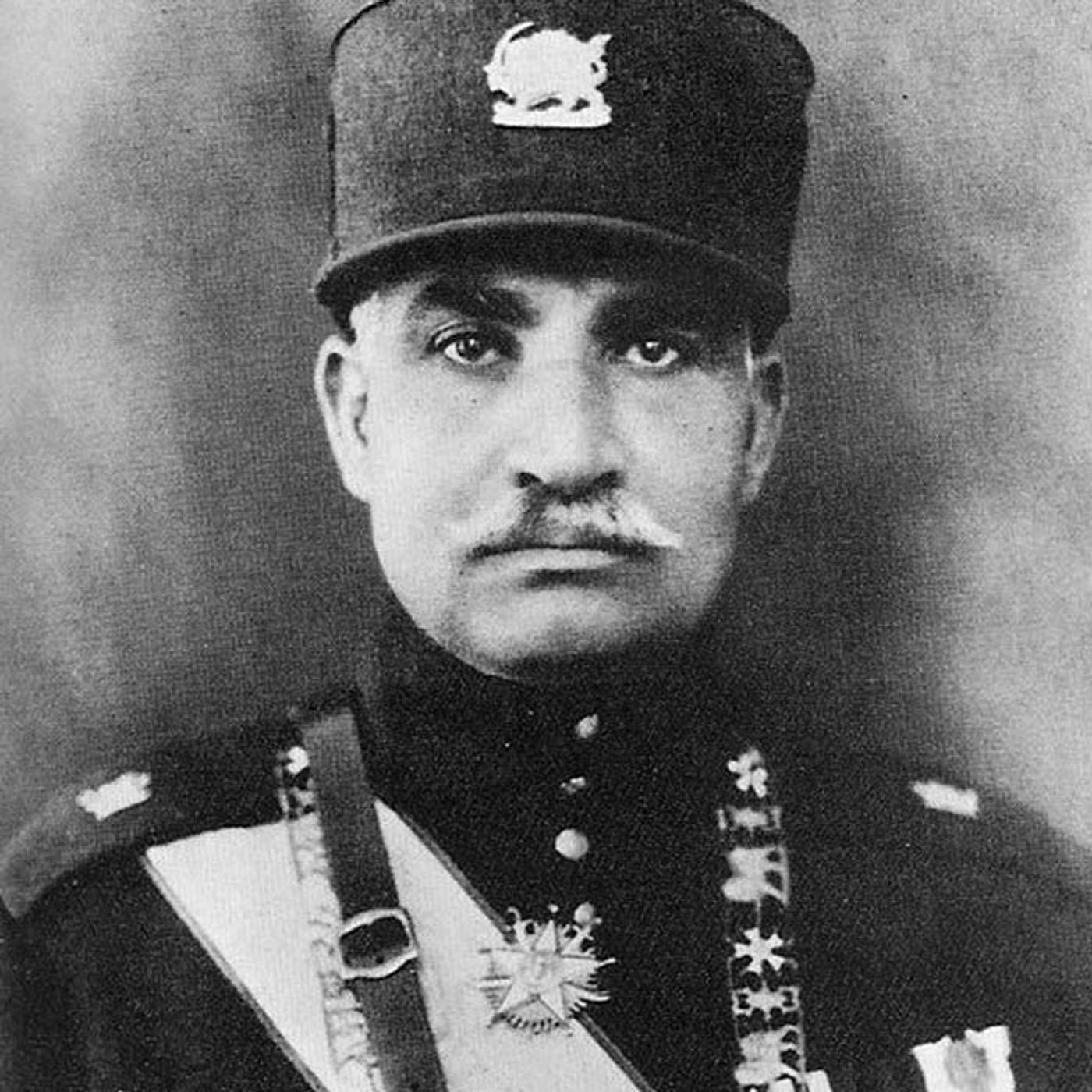
Reza Khan served under the Qajar prince Abdol-Hossein Farman-Farma, one of the most influential figures in Iran. They developed a close relationship, but at that time Reza had no political ambitions. Even then, however, he questioned the regime’s legitimacy. The higher he rose through the ranks, the more he was irritated by the Russian presence and control. “If only God would help us rid the country of these foreign masters who, like leeches, suck our blood,” he complained to his lieutenant.
A Cossack on the throne
The turning point came in 1917: after a sequence of revolutions in Russia, the command of the Persian Cossack Brigade found itself disoriented. Russian officers began to lose their influence, and a struggle for control over the units ensued. Against this backdrop, Reza Khan strengthened his position. Biographers describe his involvement in backstage intrigues and conflicts between commanders, though the details of these episodes differ.
By 1920, Iran had plunged into chaos: the treasury was empty, tribal uprisings flared across the country, and the army proved incapable of suppressing them. London was preparing to withdraw from Iran, but the Brits needed someone to cover their retreat, andReza offered them his services. He promised that after their withdrawal he would help the shah retain power and preserve order in the country. They agreed.
By 1920, Iran had descended into chaos: the treasury was empty, and the army proved unable to suppress the tribal uprisings that had broken out across the country
However, the British miscalculated. Upon seeing that the central government was weakened, Reza Khan secured the support of other commanders and marched on Tehran. On the night of Feb. 21–22, 1921, the Cossack Brigade seized the capital with almost no resistance. Ahmad Shah Qajar wanted to flee, but the British ambassador persuaded him to stay. The old shah was forced to partially cede power to the rebels — Reza’s close associate, Seyyed Zia'eddin Tabataba'i, was appointed prime minister, while Reza himself received the title of commander of the army.
Soon after, arrests sent around 400 Iranian notables — several of the shah’s relatives among them — to prison. Reza Khan issued two proclamations. In the first, he declared that the Cossacks were loyal to Ahmad Shah and that they had come to restore order. The second, however, opened with words only the ruler of Iran had the authority to use: “I order.” With that, martial law was imposed in Tehran.
The new regime could hardly be described as stable. The revolutionary government was nicknamed the “Black Cabinet” for its repression of opponents. Just three months after the revolution, Reza Khan persuaded the deposed Ahmad Shah that the prime minister wanted to kill him, thus securing Seyyed Zia’eddin’s dismissal. Increasingly, power became concentrated in the hands of the former brigade general — to the displeasure of the British.
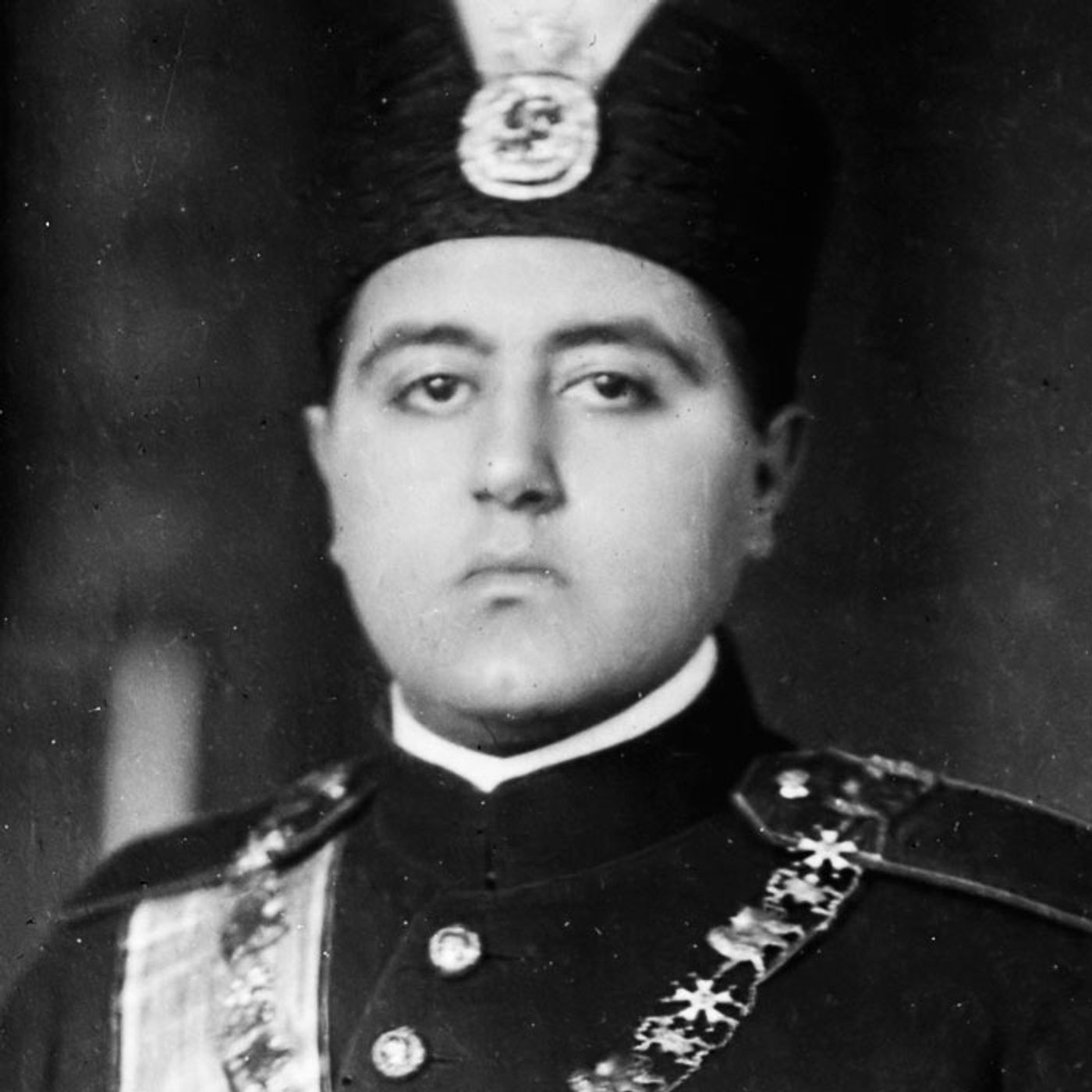
Official London viewed the young military commander as shrewd but uneducated, politically inexperienced, and therefore incapable of ensuring stability in Iran. His lack of experience, however, did not prevent Reza Khan from dictating terms to the old aristocracy while disregarding the shah’s opinion.
In October 1923, Reza Khan was appointed prime minister, and Ahmad Shah left for Europe. After the monarch’s departure, debates began in Iran about transitioning to a republic on the Turkish model. Due to resistance from the clergy and the public, Reza was forced to publicly abandon the idea, but the monarchy could no longer continue in its previous form.
For two more years, rumors swirled in the country regarding Ahmad Shah’s possible return. He regularly consulted British diplomats but failed to obtain clear answers, let alone their support. Finally, in the fall of 1925, the shah sent a telegram to Tehran announcing a specific date for his return: Oct. 2. Reza Khan responded by staging mass protests against him.
Ahmad Shah chose not to take the risk and remained in France. Shortly afterward, the Majles adopted a resolution deposing the Qajar dynasty, which had ruled the country for the past 130 years. The Constituent Assembly then rewrote key articles of the constitution over five sessions and declared Reza Khan the new shah of Iran.
After abolishing official titles and honorifics, Reza Shah adopted the surname Pahlavi — meaning “Parthian.” Through this choice, he sought to signal that the new dynasty would be Persian rather than Turkic (unlike its Qajari predecessors). Historian Abbas Milani wrote that when Reza Shah went to register the new name, he was told it was already taken by a man named Mahmud. The newly proclaimed shah tracked him down and demanded that he relinquish the surname. In protest against the abuse of power, the man refused to invent a new one and instead simply called himself Mahmud Mahmud.
The new shah, Reza, adopted the surname Pahlavi to signal that his dynasty would be Persian rather than Turkic, unlike its predecessors
On Apr. 26, 1926, the day after his coronation, Reza Shah declared his six-year-old son, Mohammad Reza, crown prince. From that day on, the boy began preparing for his future role as ruler of Iran.
Power in exchange for 10 grams of sugar
Reza Shah never adopted traditional aristocratic niceties. Instead, he reshaped court protocol according to his own tastes, turning the palace into something resembling a barracks. He never took off his uniform and appeared to have no civilian wardrobe at all. He also showed no inclination toward luxury. At times, Reza Shah even monitored how many cigarettes the servants smoked and how much tea they drank.
The meticulously designed new court etiquette defined everyone’s place within an extremely rigid, almost military hierarchy that regulated even relations inside the shah’s family. Servants were allowed to touch the heir only while wearing gloves and were permitted to address him solely as “Your Highness.” This rule also applied to the crown prince’s brothers and sisters.
Ascetic in his personal life, Reza Shah was highly ambitious when it came to the material grandeur of the young dynasty. He purchased from a Qajar prince a plot of land on a hill above Tehran for his private residence, where he built a vast complex of 18 palaces. In addition, Pahlavi aggressively acquired land — often at symbolic prices, as landowners in practice could not refuse deals with the shah. Factories, hotels, and other properties were registered in his name.
Pahlavi massively acquired land at symbolic prices, since landowners could not refuse to sell to the shah
The heir to the throne, Mohammad Reza, grew up as the complete opposite of his stern father. Dreamy and shy, he showed no strong leadership traits and was very lonely starting all the way from childhood. At the age of six, he was sent to a royal military academy, where he received basic military training.
The crown prince continued his education in Switzerland at an elite boarding school among the heirs of European dynasties. Yet even there, Mohammad Reza became an outsider: instead of forming useful connections, he befriended the gardener’s son, who introduced the future shah to French poetry. Later, the crown prince brought his friend to Tehran and had him live in his palace, a move that not only enraged his father but also became a source of gossip at court.
In 1936, the crown prince once again found himself in a strict military environment. After two years at an officers’ academy in Tehran, he was commissioned as a lieutenant and soon traveled to Egypt, where, at age 19, he married the 17-year-old Princess Fawzia. The marriage to an ancient royal house was meant to lend the Pahlavi dynasty the legitimacy it sorely lacked, especially within Iran itself.
Reza Shah carried out unpopular reforms without regard for either the clergy or the merchants. His campaign against traditional clothing provoked particular controversy. He first banned men from wearing the turban, ordering them instead to wear a modern head covering that people nicknamed the “Pahlavi cap.” Even greater resentment followed the ban on the chador. Even secular Iranians viewed its prohibition as an act of extreme despotism.
Protests against such intrusion into private life led to clashes with the army, resulting in numerous casualties. While suppressing the unrest, the shah broke one of society’s key taboos by ordering the army to attack protesters even inside mosques. Reza Shah believed that modernization could be achieved only through force, and with each reform he became more entrenched in that view.
Reza Shah banned Iranian men from wearing turbans and women from wearing the chador
On the international stage, the shah was forced to maneuver between Britain and the Soviet Union. Eventually, Pahlavi drew closer to Nazi Germany — driven more by economic than ideological considerations. At the start of World War II, Iran declared neutrality, but its former partners were not satisfied. In August 1941, Soviet and British forces invaded and soon occupied the capital. Neither the army nor the elites offered serious resistance — the shah was feared, but no one was willing to die for him. To preserve the dynasty, Reza Shah abdicated in favor of his son.
The loss of power was followed by the loss of wealth. Under British pressure, the shah signed a deed transferring all his land holdings to his son in exchange for “10 grams of sugar.” Mohammad Reza, in turn, was forced to promise that he would return all illegally acquired property to its rightful owners.
The British sent Reza Shah into exile. His heir wanted to accompany him, but the father pressured him to stay and assume control of the country. In 1944, two years after his exile, Reza Shah Pahlavi died of a heart attack in Johannesburg.
God, the Shah, and the Homeland
“Let me tell you quite bluntly that this king business has given me personally nothing but headaches. During the whole of these 20 years of my reign, I have continually lived under the strain and stress of my duties,” Mohammad Reza Pahlavi said at a meeting with journalists in Washington in 1962. Historian Abbas Milani describes the young shah as “a reluctant monarch, ready to give up the throne whenever a serious threat appeared on the horizon.” Despite these sentiments, Mohammad Reza chose to stay on the throne — after all, he had put in more effort than he let on to attain it.
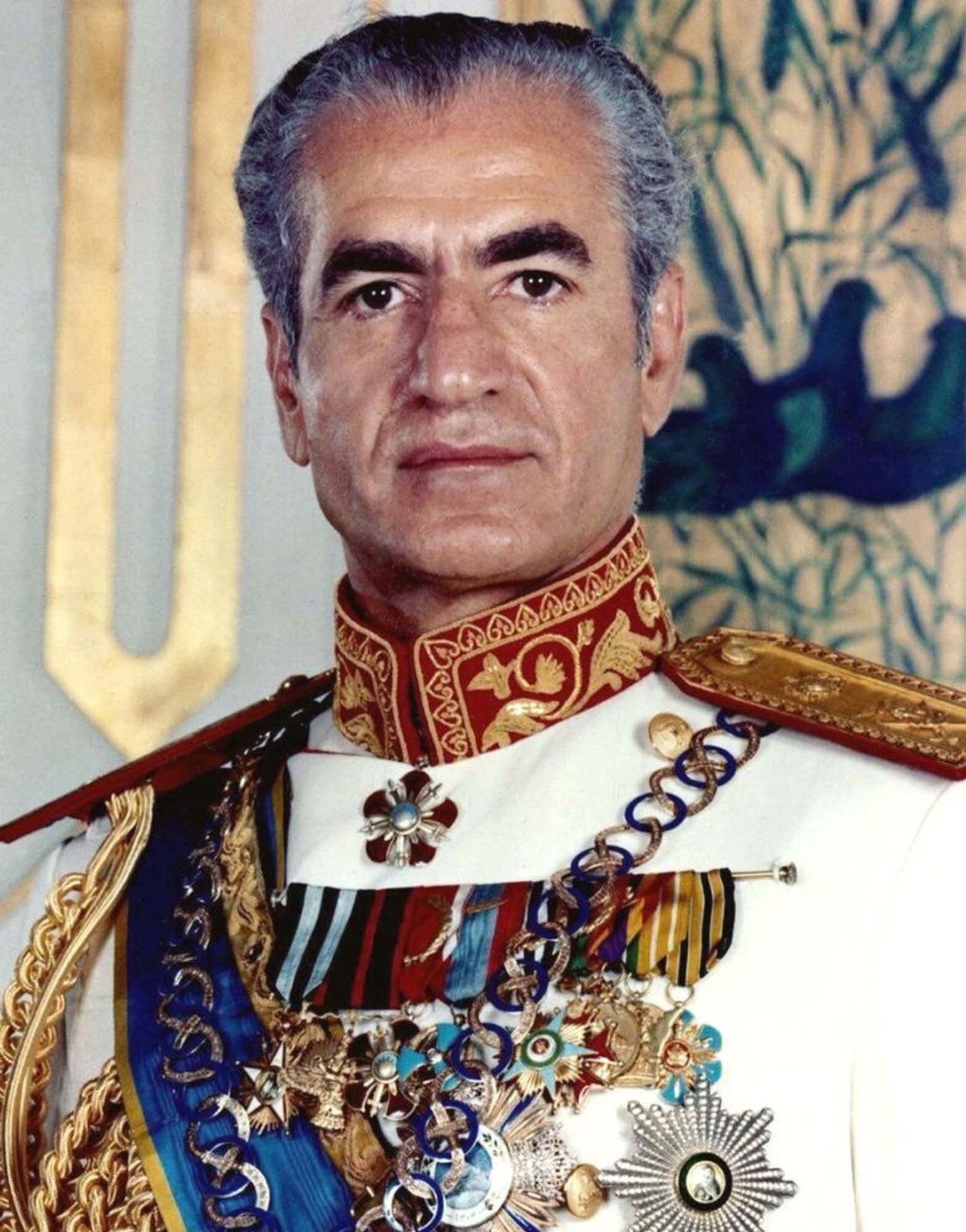
In 1941, after British occupiers lifted censorship and amnestied political prisoners, dozens of parties emerged across Iran. Among them was the communist Tudeh Party, actively supported by the USSR. Expanding its influence, the Soviet Union exploited separatist sentiments in Iranian Azerbaijan and established a puppet regime there.
Despite all this, Mohammad Reza managed to convince the British that he was not merely a “temporary solution,” as they had regarded him at the beginning of his reign. Gradually, Iran evolved from a controlled territory into Britain’s ally — not an equal one, but an ally nonetheless.
The shah’s first major victory was the overthrow of the communist government in Iranian Azerbaijan. He achieved it not so much by military force as through diplomacy: Iran’s prime minister Ahmad Qavam offered Moscow an oil concession in exchange for a withdrawal of its troops. Meanwhile, the United States and Britain pressured the USSR through the United Nations. In the end, Soviet troops were withdrawn, and the Kremlin-aligned regime quickly collapsed without Moscow’s military backing. Notably, the USSR did not receive the oil concession either: the prime minister submitted the agreement to a vote, but the Majles promptly rejected it.
This was how Mohammad Reza Pahlavi first asserted himself as an independent politician and as commander-in-chief of the army. At the time, the shah came to believe that his actions were guided by a “divine mind.” Biographers of Mohammad Reza note that in his youth he experienced several “mystical experiences.” His father, who was not particularly religious, mocked these accounts, while his devout mother saw them as a sign of divine favor.
Shah Mohammad Reza Pahlavi came to believe that his actions were guided by a “divine mind”
After surviving an assassination attempt in 1949, Mohammad Reza became even more convinced of his divine destiny. The attacker, Nasser Fakhr Arai, fired five shots at the shah before his revolver jammed. Pahlavi was wounded in the shoulder, and one bullet knocked out his front teeth after passing through his cheek, but he survived and addressed the nation that same evening.
The problem of the shah’s legitimacy resolved itself — he became an “instrument of God,” and no other mandate was required. The new ideology was defined by a short slogan: “God, Shah, Homeland.” As Milani notes, in this formula the country existed for the shah, not the other way around.
Gholam Reza Afkhami, a former official in Mohammad Reza Pahlavi’s government (in addition to being his biographer), wrote that the shah’s piousness had an emotional rather than an intellectual foundation. He sought to strengthen the role of religion in the country but not the power of the clergy. His attempt to curb clerical authority led to a new “revolution from above” — one far harsher than under Reza Shah.
Sun of the Aryans
“If there is to be a revolution in this country, I will lead it,” Mohammad Reza declared in January 1963, announcing a sweeping package of reforms known as the “White Revolution of the Shah and the People.” Pahlavi intended to rapidly reorganize Iranian society — to strip landowners of power by depriving them not only of much of their property, but also of their political influence. The monarchy shifted its focus to the peasants, who were to become landowners of a different sort — agricultural workers bound to the state through cooperatives in an arrangement akin to the Soviet Union’s collective farms.
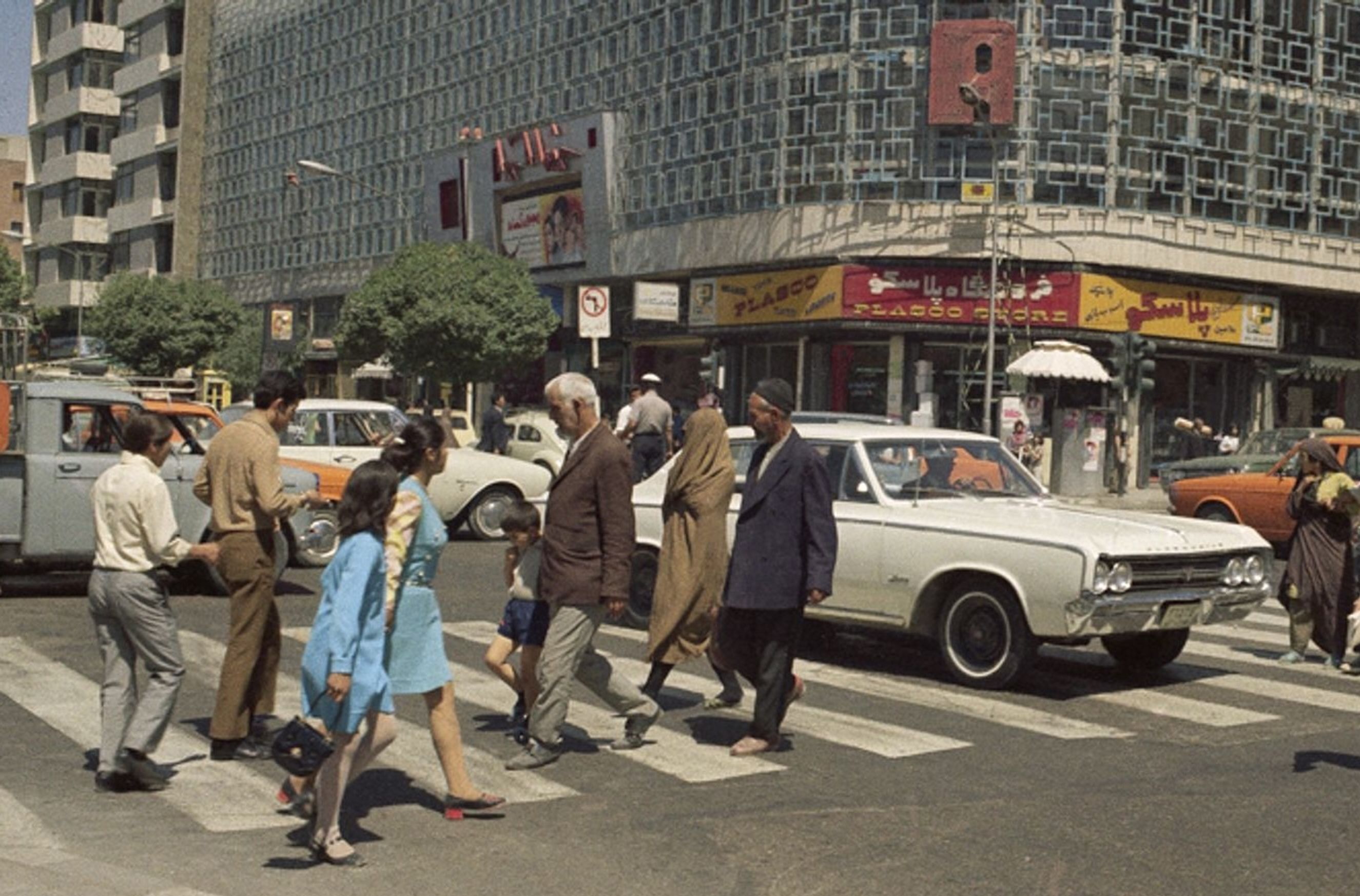
The land reform threatened the clergy’s income and undermined its authority in rural areas, and the project also encroached on religious authority in the courts and schools, where secular civil codes were introduced and the network of state educational institutions was expanded. Most offensive to the clerics was the introduction of women’s suffrage.
The main opponent of the “White Revolution” was the Shiite cleric Ayatollah Ruhollah Khomeini, who denounced it as anti-Islamic, unconstitutional, and orchestrated by the Americans. Khomeini’s sermons inspired students to form underground cells and prepare for armed resistance. In response, the security services beat students, carried out raids on seminaries, and burned traditional clothing. During one such operation, a student fell from a roof and died. Khomeini immediately declared that the shah had “dug his own grave,” promising to raise “a million martyrs” against him.
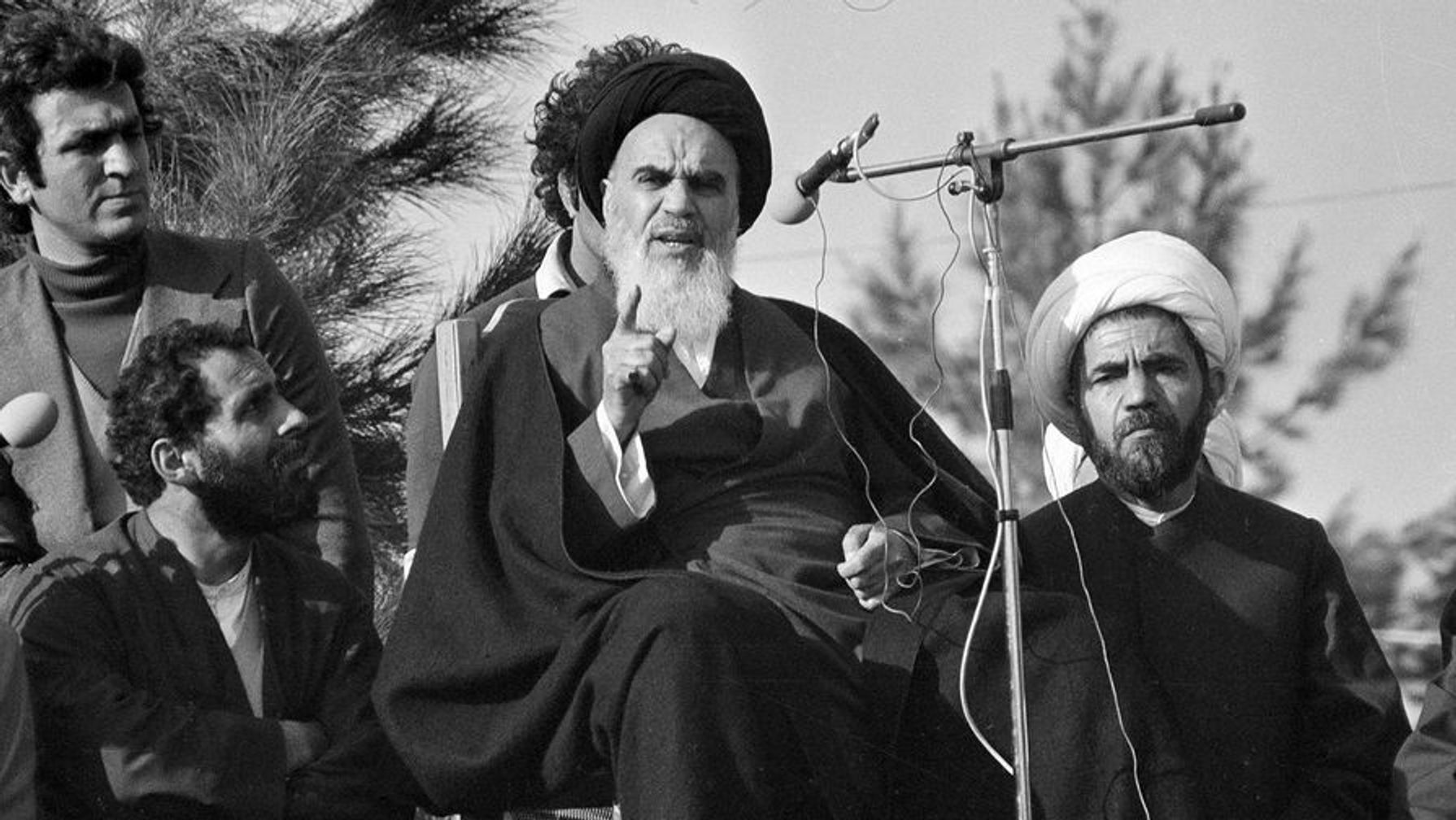
In June 1963, the ayatollah was arrested. Thousands of his supporters immediately took to the streets — taking over some buildings while setting others on fire. However, the unrest did not turn into a revolution. The shah gave an oral order to shoot at the protesters, and according to various estimates, between several dozen and several thousand people were killed in the crackdown.
Khomeini seemed less dangerous to the shah as an exile abroad than as a prospective martyr, and the disgraced ayatollah was reluctantly accepted by France. He set up a headquarters in a suburb of Paris, where he received visitors, gave interviews, and recorded sermons on cassette tapes that were smuggled into Iran.
Pahlavi meanwhile, having lost any support from among the clergy, turned to pre-Islamic Persia for legitimacy — a move that provoked even greater outrage among the clerics. The shah adopted the title Aryamehr (“Sun of the Aryans”) and placed Zoroastrian symbols on the ruling family’s coat of arms. The son of a brigade general, Mohammad Reza sought to present himself as the heir to a millennia-old monarchy and the successor to the royal Achaemenid dynasty.
In 1975, the shah even reformed the calendar. The count was no longer based on the Hijra (the Prophet Muhammad’s migration from Mecca to Medina in 622) but on the accession to the throne of the Persian king Cyrus. Soon after, Iran celebrated 2,500 years of monarchy with great pomp, with an “imperial city” of tents erected in the desert near the ruins of Persepolis. The festivities featured large-scale reenactments with thousands of soldiers dressed in Achaemenid costumes. The celebrations cost the nation tens of millions of dollars.
Meanwhile, Khomeini continued his struggle against the shah from Paris. In response to his sermons, the court accused the ayatollah of harboring ties to both the communists and British intelligence. The indictment unexpectedly triggered unrest, which the authorities again suppressed with gunfire.
The government’s indictment accusing the ayatollah of having ties to both the communists and British intelligence unexpectedly sparked unrest
On Aug. 19, 1978, a tragedy occurred that sharply expanded the protests: the Cinema Rex in the port city of Abadan was set on fire, and more than 500 people trapped inside were killed. The shah blamed Islamist militants for the arson, while the opposition accused the security services. Mourning for the victims quickly escalated into riots, raising the death toll into the thousands.
The protests reached their peak on Sept. 8— a day that later came to be known as Black Friday. Thousands gathered in a central square in Tehran, chanting slogans such as “Death to the shah!” and “Independence, freedom, Islamic Republic!” The troops again opened fire on the crowd, but the crackdown did not stop the protesters.
Footage of the crowd being shot at spread around the world, and the external support on which the regime had long relied began to evaporate. Tehran's allies no longer wanted to be associated with a monarchy that fired on peaceful protesters, with Jimmy Carter’s Washington pressuring the shah to take a temporary “leave of absence.” The word “abdication” had not yet been uttered, but the streets were already celebrating the end of the monarchy.
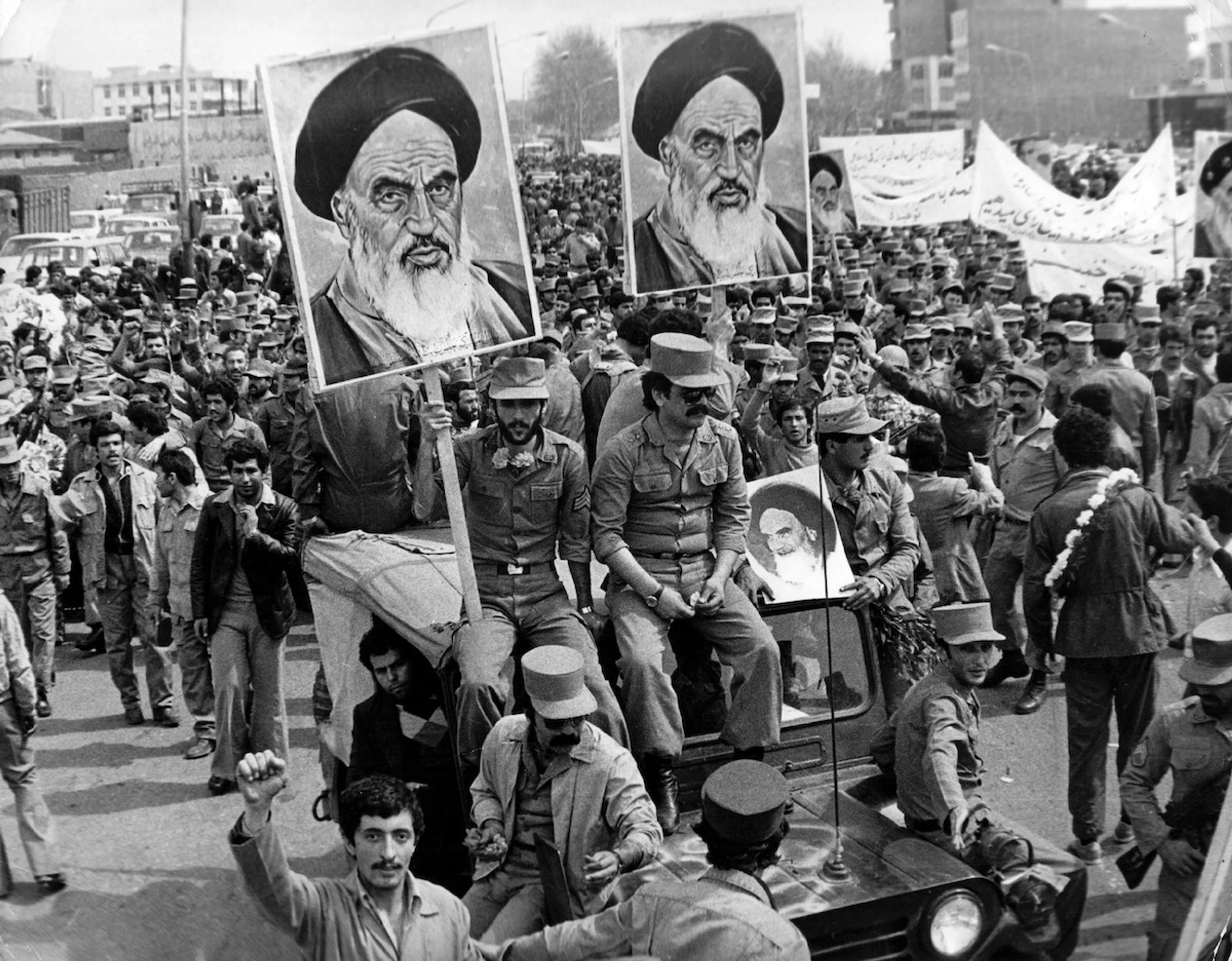
In January 1979, Mohammad Reza Pahlavi flew to Egypt, together with his wife and a small circle of close associates. Then, in early February, Ruhollah Khomeini returned to Iran. After 14 years in exile, he was greeted by millions of supporters — no longer as an opposition-minded cleric, but as the country’s new leader. On Feb. 11, the Islamic Revolution prevailed, and the shah’s armed forces ceased their resistance to the new order.
The shah’s “leave of absence” turned into a humiliating world tour: seven countries, endless negotiations, and nothing to show for it but closed doors. No one, not even his former partners in Washington or London, wanted to take responsibility for his fate. To make matters worse, he had been suffering from lymphoma for several years. Eventually, he was granted asylum in Cairo, where he died in 1980.
Heir to the shah’s Iran
Which brings us to Reza Pahlavi, who was proclaimed crown prince in 1967 when he was not yet seven years old. Shortly before the revolution, he was sent to the United States, where he trained with the U.S. Air Force at a base in Texas. He never returned to Iran.
After his father’s death, Pahlavi proclaimed himself Reza II, the shah in exile, but no one recognized him as the legitimate ruler of Iran. At various times, the “shahzadeh” has received funding from opponents of the ayatollahs’ regime — primarily Israeli and Saudi business figures who sought to raise his profile as a potential alternative leader of the Islamic Republic.
At different times, the heir of the shah’s family was funded by opponents of the ayatollahs’ regime — primarily Israeli and Saudi business figures
Reza II indeed became one of the most recognizable Iranian opposition figures outside the country’s borders, but he failed to translate his media visibility into domestic support. In 1986, the CIA hijacked a television signal and broadcast an address of his across the Iranian airwaves. In it, Reza announced his return to his homeland, but the stunt did not produce the hoped-for result.
Pahlavi has repeatedly stated his opposition to the monarchy and expressed his desire to function as a transitional figure. However, his family history shows all too well that such “transitions” can last for decades.