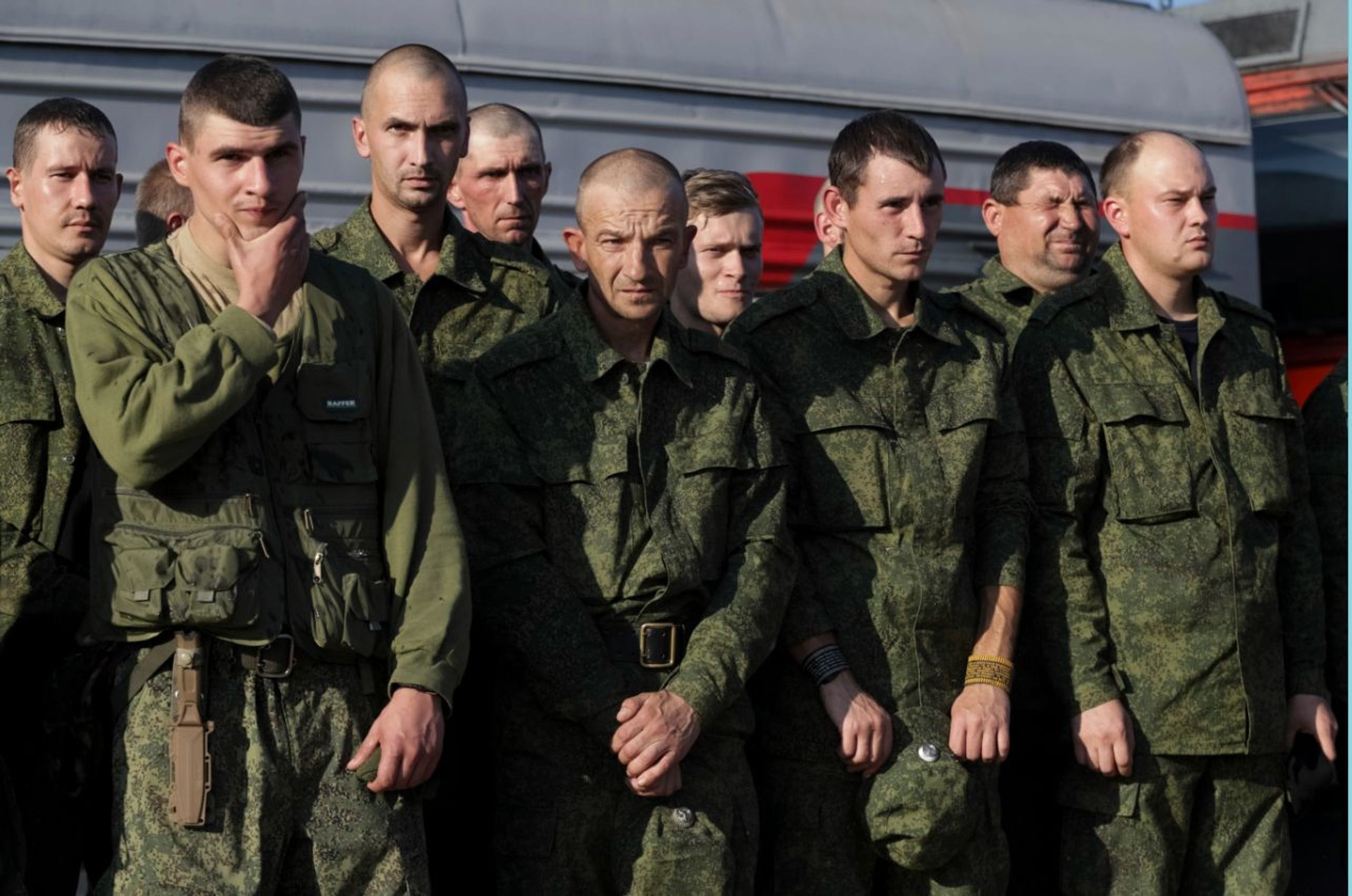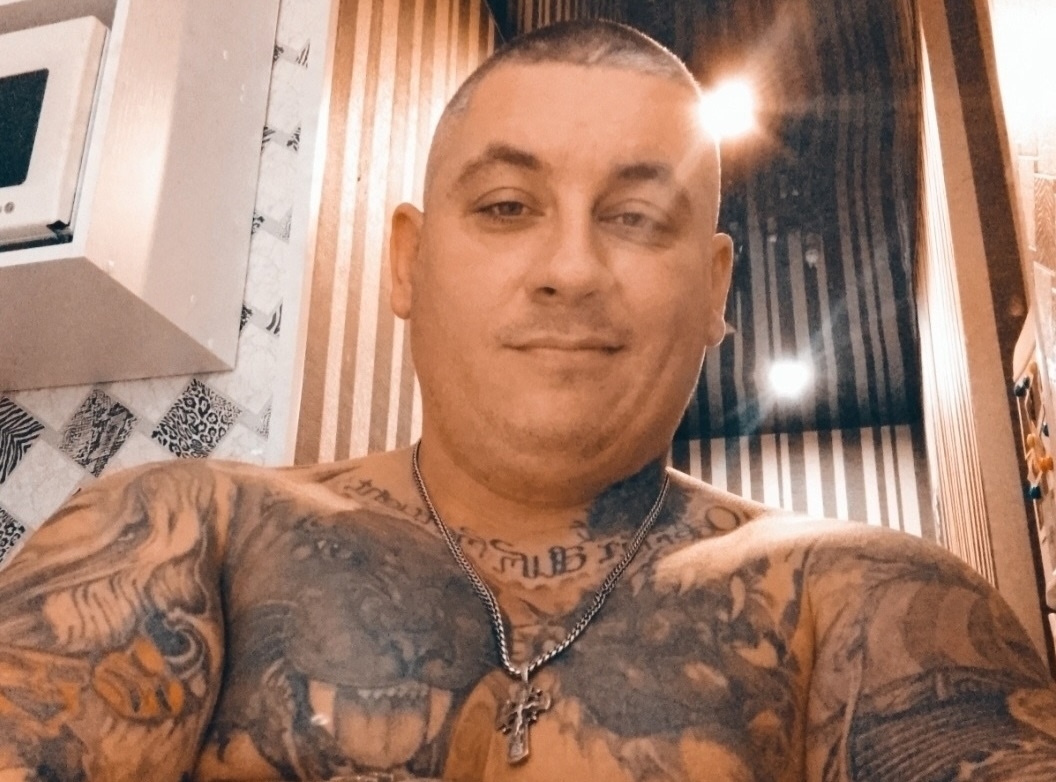
A soldier who served in an operational search group tasked with tracking down Russian contract servicemen who had gone AWOL was shot and killed in the town of Borzya, Zabaykalsky region, the outlet Lyudi Baikala (lit. “People of Baikal”) reported. The killing took place on Nov. 11. The deceased serviceman, 34-year-old Konstantin Ektov, was buried on Dec. 2 in his hometown of Magadan. A local community page described Ektov as a “hero who died in the special military operation.”
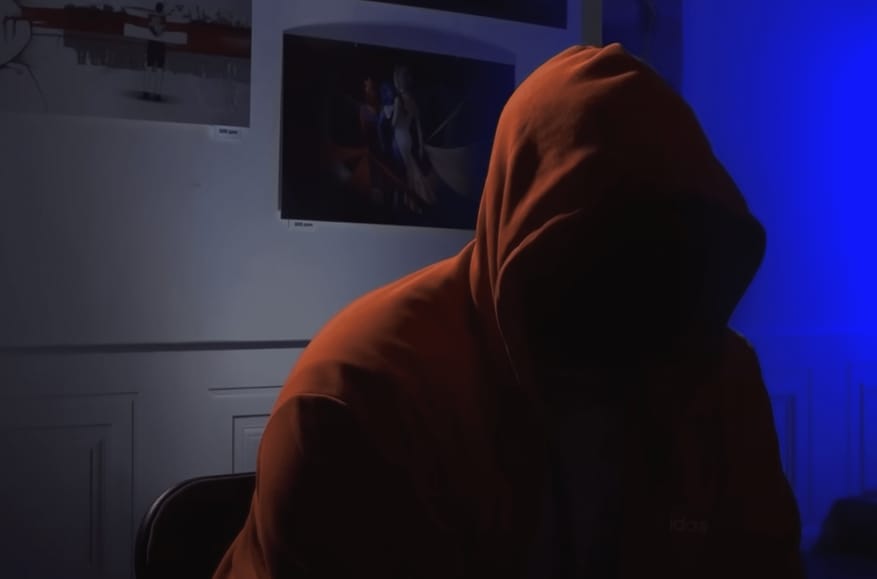
According to Lyudi Baikala, Ektov was shot near the entrance of the building where he lived in Borzya, near the garages. On Nov. 14, the outlet Chita.ru and several regional social media channels received a video in which a man identifying himself as serviceman Vladimir Popov confessed to killing Ektov. Popov was detained a few hours later.
Popov said he had paid off Ektov in order to avoid being sent back to the war. Sources told Lyudi Baikala the sum involved was 950,000 rubles (over $11,500). But Popov said Ektov later staged a raid that resulted in an 80-year-old relative of Etkov’s having their leg broken. “What was I supposed to do? Every man must protect his family. That’s why I did what I did,” the suspect said.
Ektov, who had several prior convictions, went to war in 2023 and served in an assault unit. After a stint in a military hospital, he was reassigned to the unit in Zabaykalsky Krai.
Residents of villages near Borzya told People of Baikal that search teams have indeed raided the homes of men who refused to return to the front in Ukraine — breaking in, unlawfully detaining people, and torturing relatives and acquaintances of soldiers who have fled.