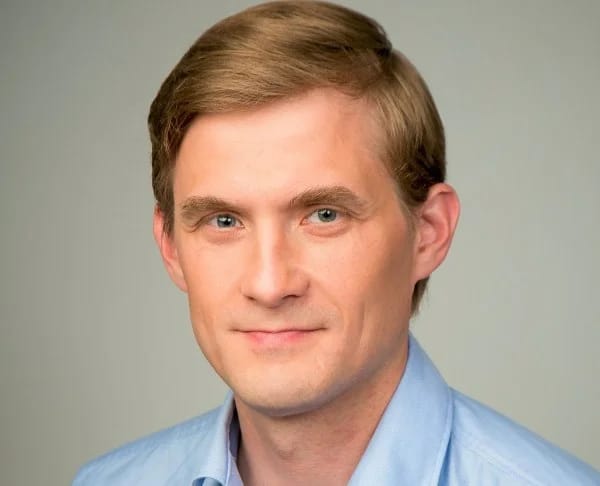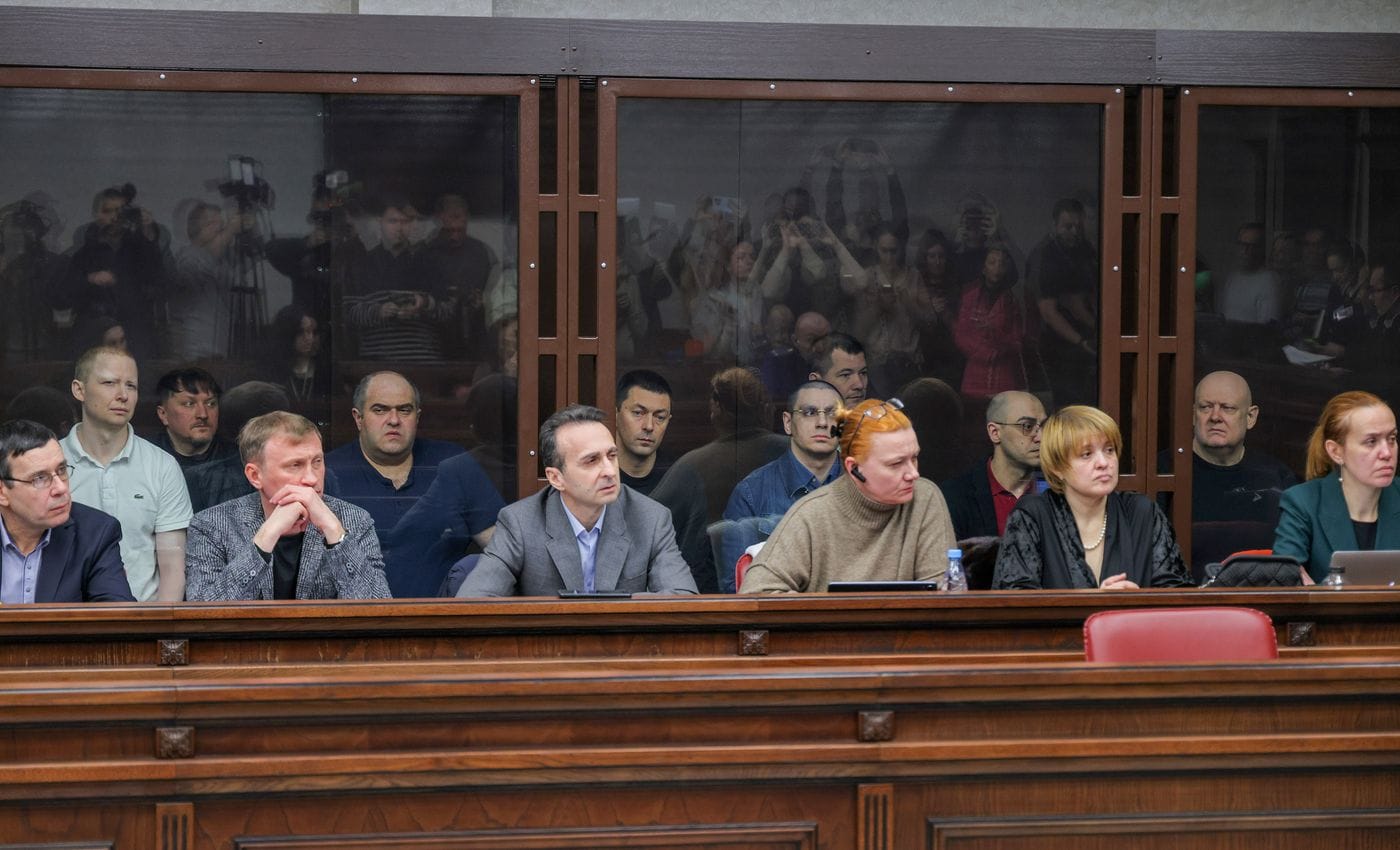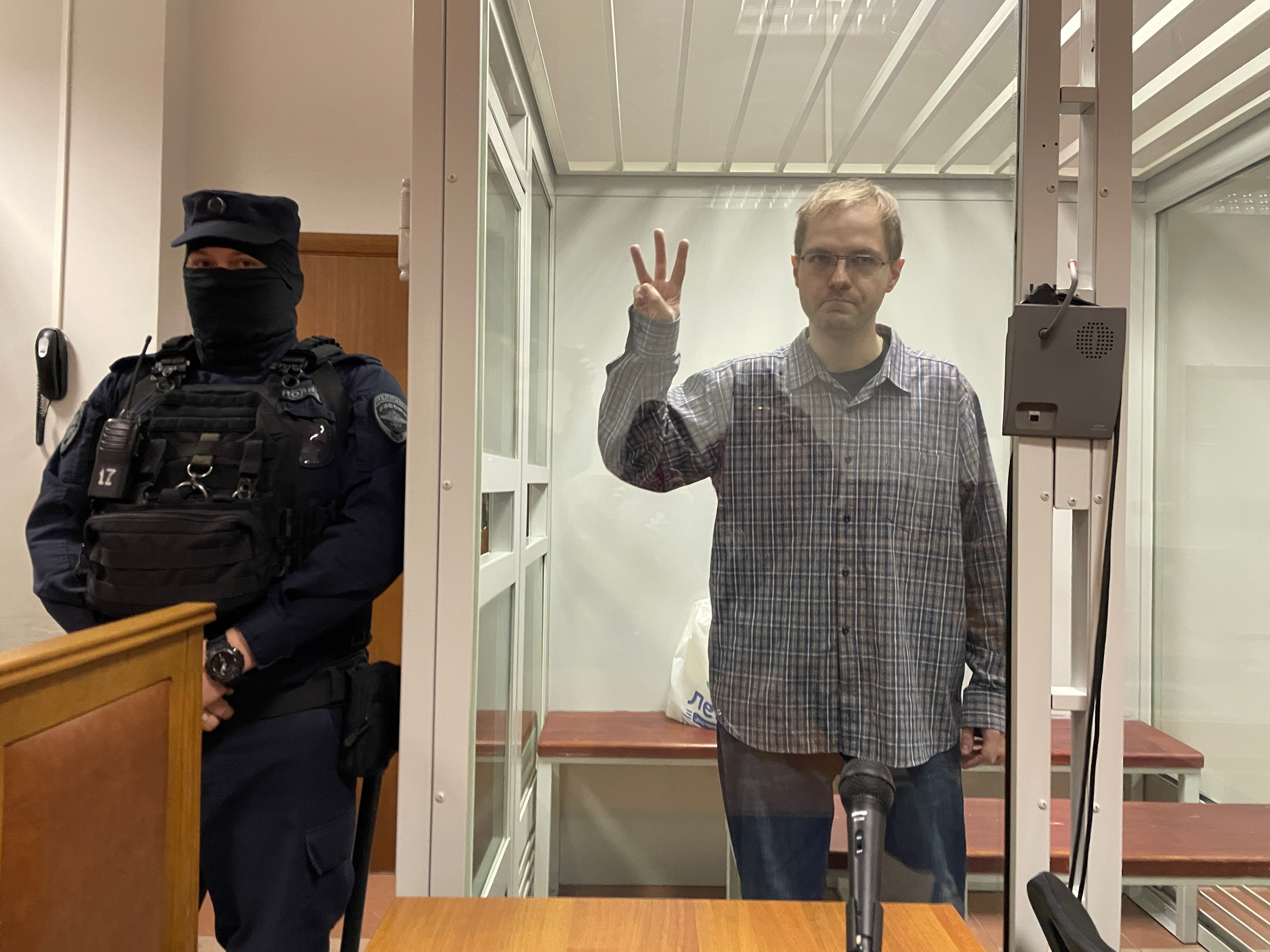
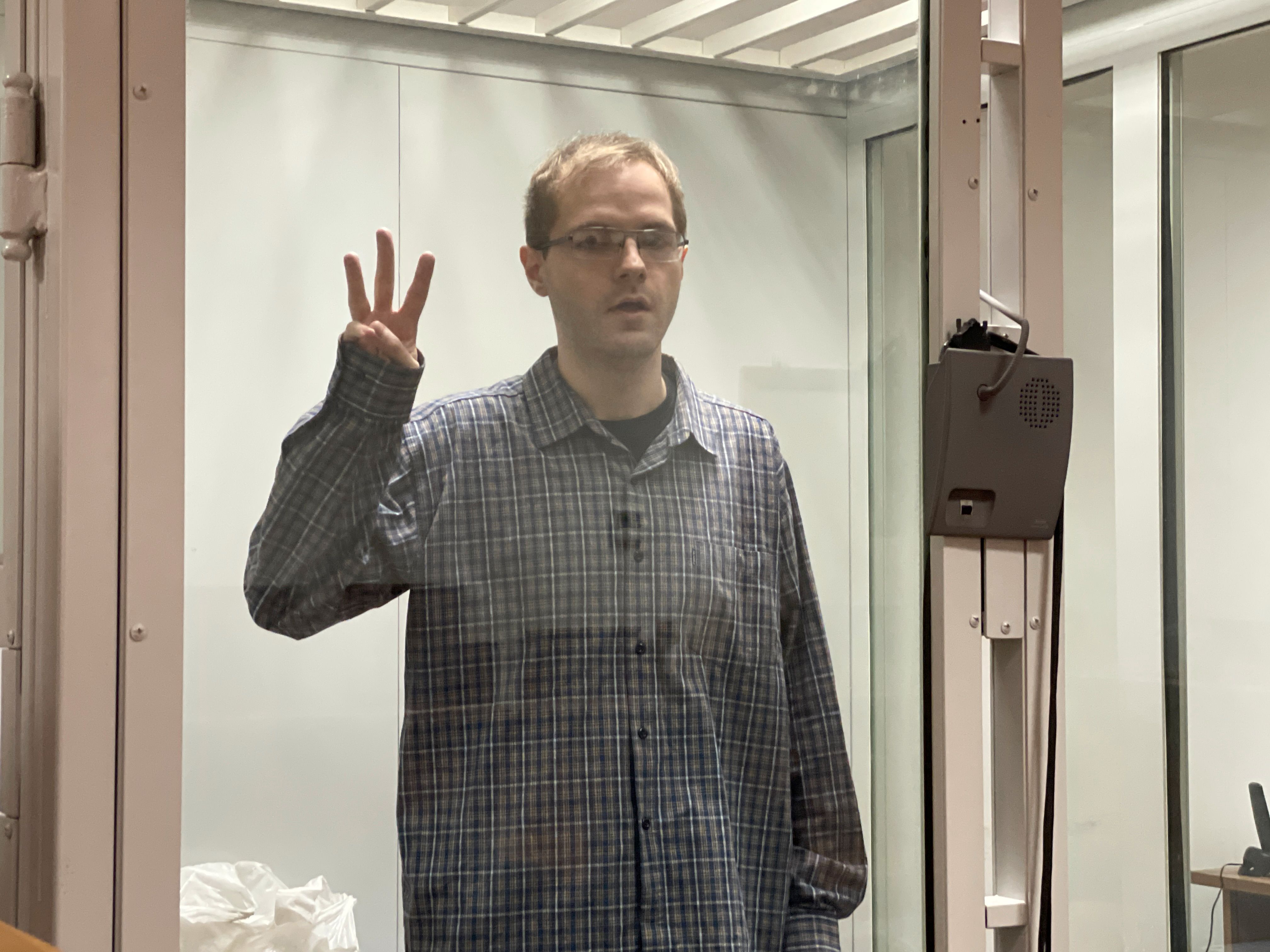
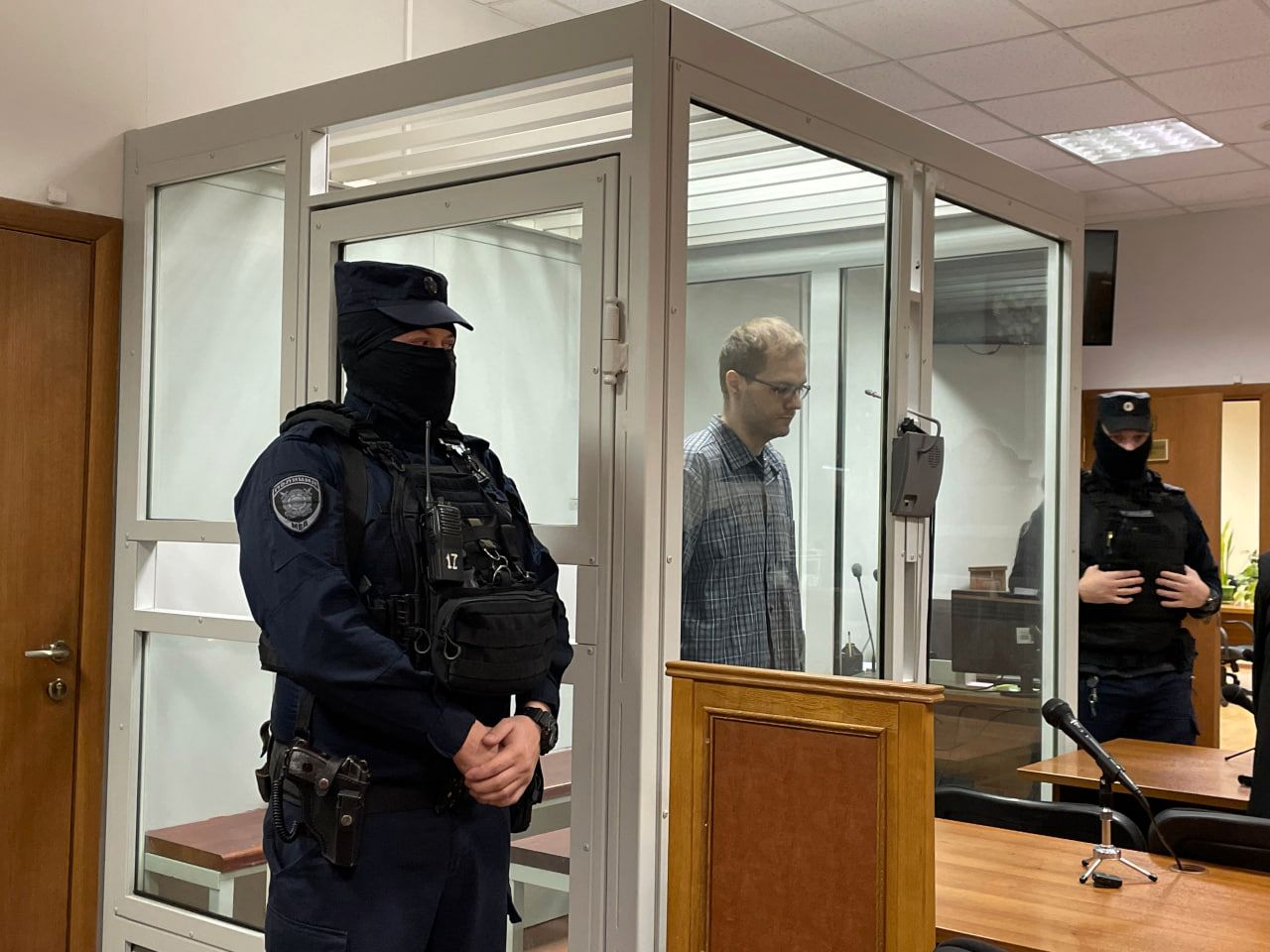
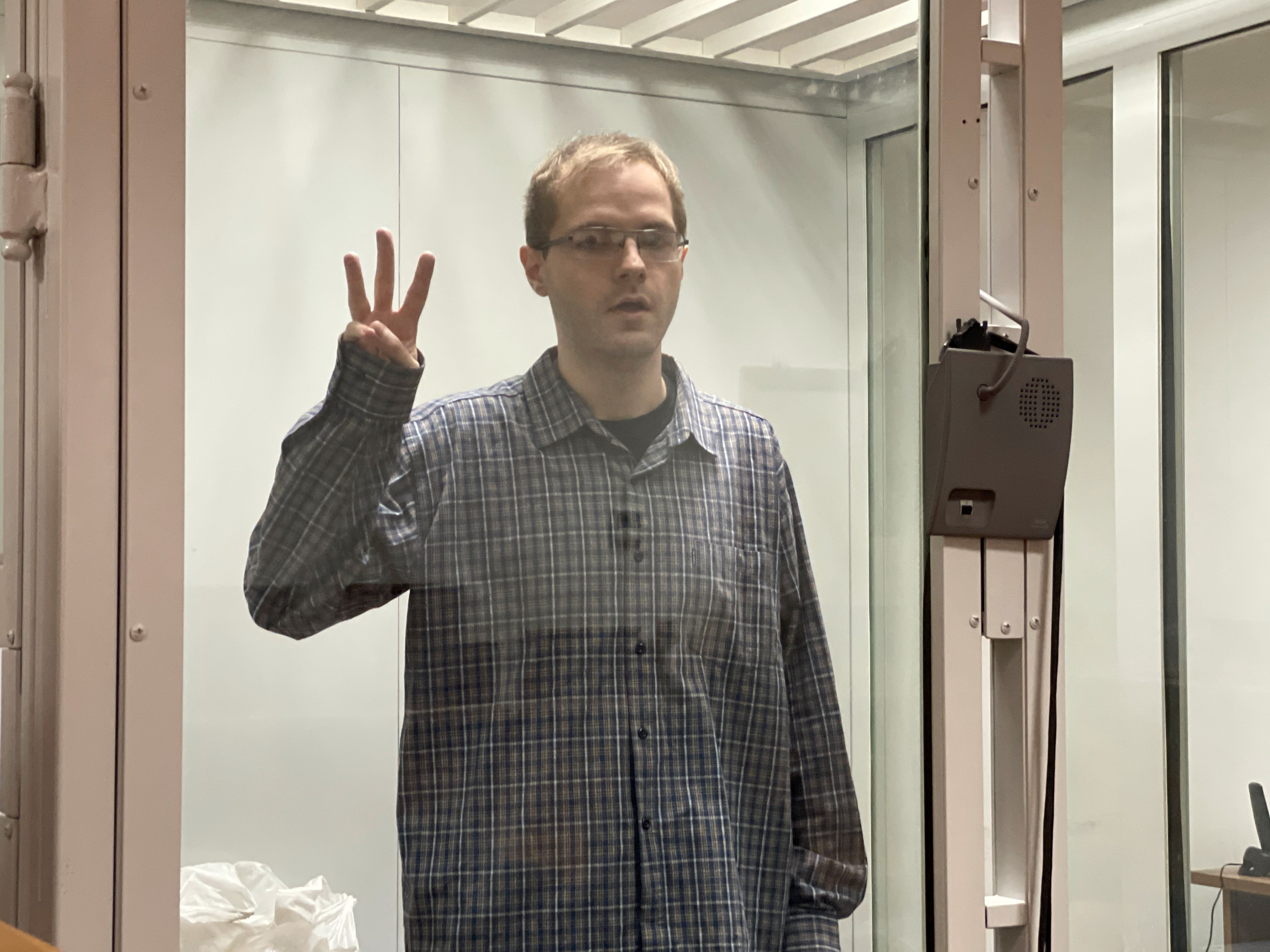
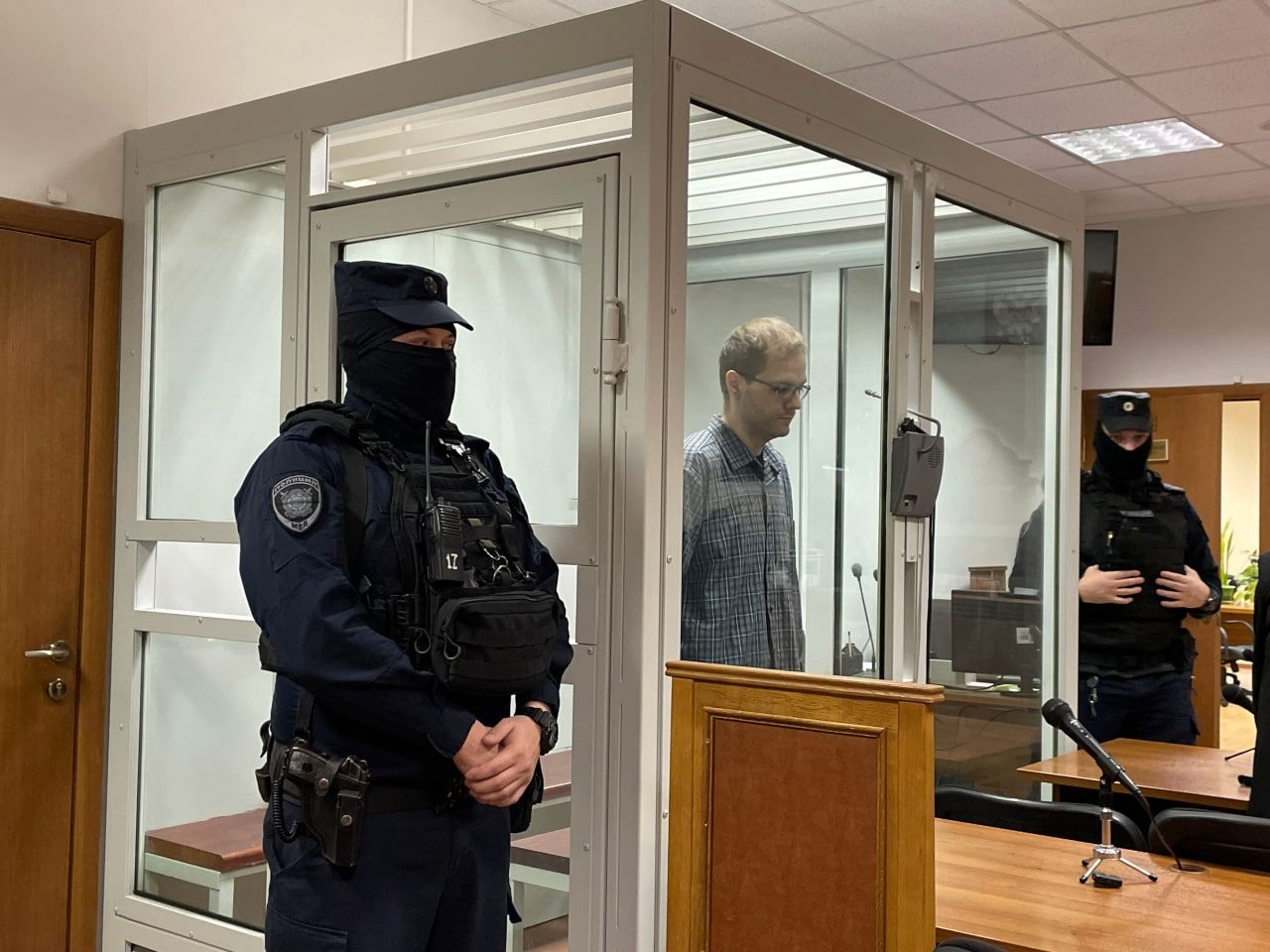
Russian physicist Artem Khoroshilov, 34, has been sentenced to 21 years in prison on treason charges for allegedly donating to a Ukrainian foundation.
According to the verdict, Khoroshilov will spend the first five years in prison, with the remaining term to be served in a high-security penal colony. He was also fined 700,000 rubles ($9,200), and his freedom of movement will be limited for two years upon his release.
The prosecution had requested a 25-year sentence. In her closing statement, the prosecutor argued that the judge ought to take Khoroshilov’s high intellect under consideration as an aggravating circumstance.
Khoroshilov was tried on four counts. In addition to “state treason,” he is also charged with “unauthorized interference with critical information infrastructure,” preparation of a sabotage act, and “illegal manufacture of explosives and explosive devices.”
The treason charge arose from donations to Ukrainian foundations, which Khoroshilov does not deny. According to Russia’s Federal Security Service, Khoroshilov “regularly transferred personal funds and cryptocurrency to the accounts of funds registered in Ukraine, [including] for the purchase of weapons for the Armed Forces of Ukraine.” He is accused of donating 700,000 rubles ($9,200) to the Ukrainian fund Come Back Alive and other organizations.
The charge related to an attack on critical information infrastructure concerned a DDoS attack on the Russian Post servers in August 2022. One of the IP addresses involved in the attack was linked to the defendant’s computer. According to prosecutors, Khoroshilov joined the Telegram channel IT Army of Ukraine and received instructions there. However, the servers targeted by the DDoS attack were not part of the critical infrastructure.
The charges of preparing a sabotage act and of “attempting to illegally manufacture explosives” are based on the discovery in his apartment of three types of nitrate, fire starters for a fireplace, kitchen foil, and a photograph Khoroshilov took of railway tracks near a military unit in his hometown of Noginsk. The scientist maintains that he bought the nitrate for seedlings and that the materials seized were insufficient to build a bomb. He also noted that the railway line is located near his home and that local residents often use that section of track for walks. He said he was not aware that the military unit used that section of the railway.
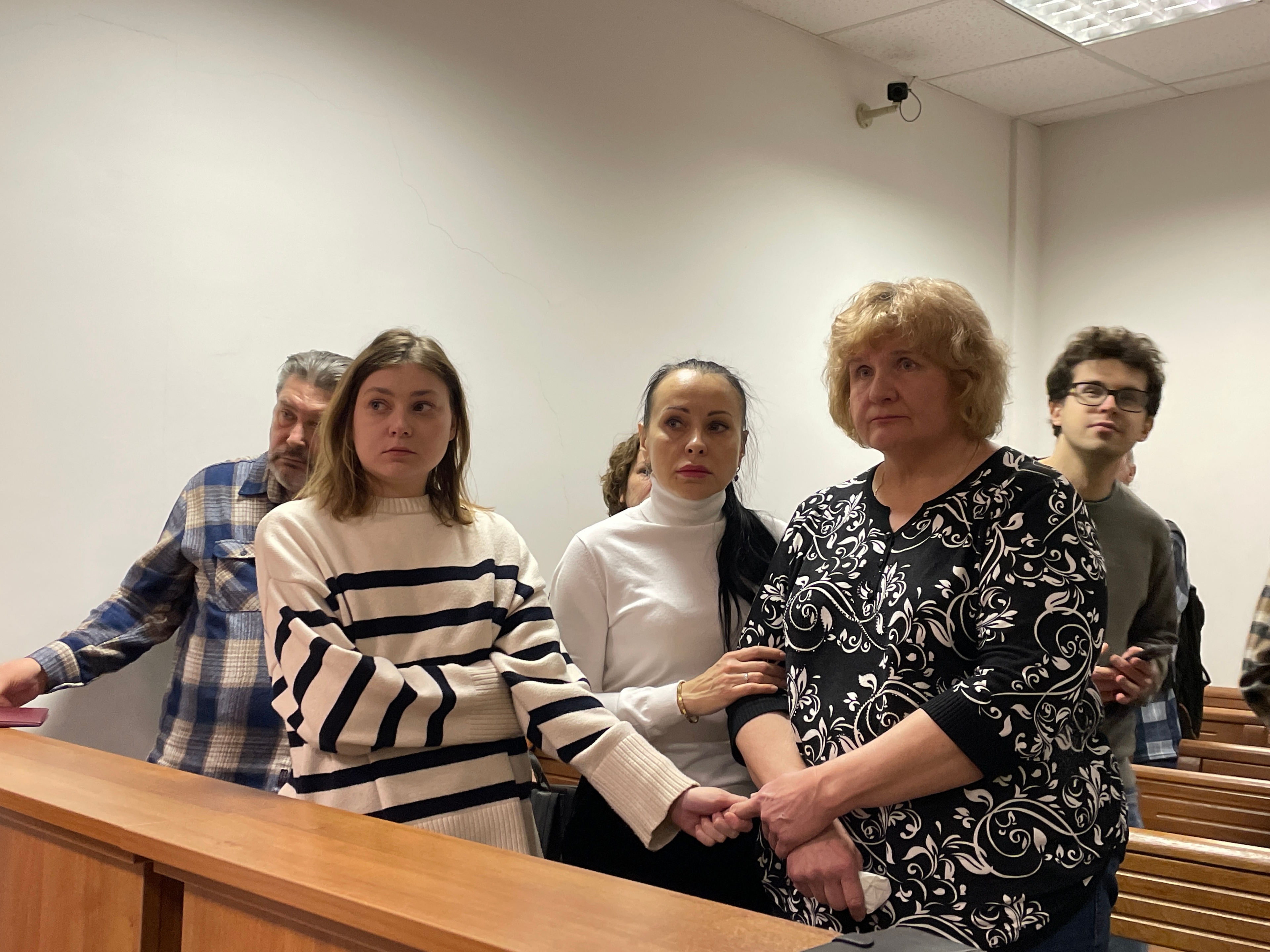
Earlier, the prosecution requested a 25-year sentence. In her closing statement, the prosecutor argued that Khoroshilov’s high intellect aggravated his guilt.
In court, the scientist fully admitted guilt on the “state treason” charge — which involved transferring money to Ukrainian foundations — and partially on the attack on critical infrastructure. His attorney asked that he be acquitted of the charges of preparing a sabotage act and “illegally manufacturing explosives.”
For more details on how Russian scientists reacted to Khoroshilov’s case, see The Insider’s report.
As noted by T-Invariant, the sentence handed down to Khoroshilov is a record term for treason for an active scientist in Russia. Others have received between 14 and 20 years.
- Artem Khoroshilov — 21 years (treason)
- Alexei Vorobyev — 20 years (treason)
- Ruslan Shadiev — 18 years (treason)
- Alexander Shiplyuk — 15 years (treason)
- Anatoly Maslov — 14 years (treason)
The harshest sentence under this article was handed down to archaeologist Andrei Veryanov, who studied the Incan civilization. In 2025, Veryanov was sentenced to 24 years in prison. However, as T-Invariant notes, at the time of his arrest Veryanov had no academic affiliation and was not engaged in scientific work. The case against the scholar was opened under charges of “treason” and “participation in a terrorist organization,” but the details were not disclosed. It later emerged that the FSB accused Veryanov of planning, on behalf of the Security Service of Ukraine, to blow up a plane carrying a high-ranking Russian official.