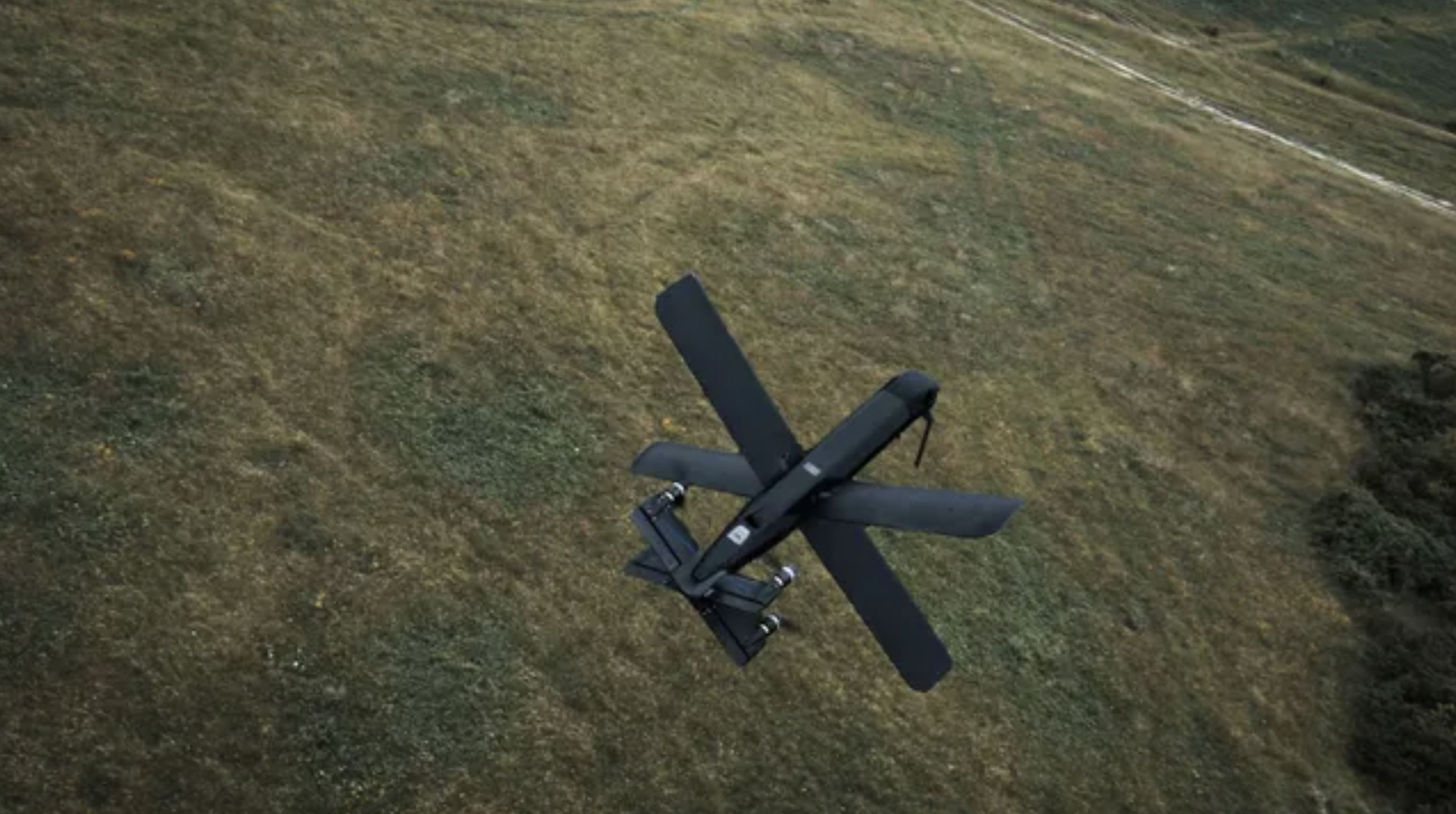
On Feb. 10, Der Spiegel reported that the German Defense Ministry plans to spend €536 million on kamikaze drones from two German companies. UAVs produced by Helsing and Stark Defence are intended primarily for the 45th armored brigade of the Bundeswehr, which is stationed in Lithuania in order to help guard NATO’s eastern border.
Military expert Mikhail Samus told The Insider that drones from Helsing and Stark Defence had undergone testing in Ukraine.
“These drones from German startups were tested in Ukraine and used by Ukrainian forces. The Helsing drone was even included in a contract between Germany and Ukraine. But in January reports appeared about battlefield problems, including difficulties countering electronic warfare. One reason, for example, may be that the startup only began work in 2024. While the systems were being refined, contracts signed, funding allocated, and production launched — of several thousand units — the situation on the battlefield changed dramatically.
In Ukraine, iterations take place almost every week, and our manufacturers upgrade systems as fast as possible. A full modernization of models can happen within a month, depending on developments in electronic warfare, communications, video transmission, and other factors. Western companies aren’t used to this pace. Their projects typically last years, and even their startups lag behind our [Ukrainian] companies. Helsing has stated that the reported problems with drone use are inaccurate, but I would assume there are certain issues for the reasons mentioned.
As for the Virtus drone, the characteristics listed by the manufacturer — a 100 kilometer range and a payload of up to 5 kilograms — are not what is most needed right now. If a drone is flown that far, it makes sense to use a munition weighing 20–30 kilograms; otherwise, it’s inefficient to send it such a distance. The Russian Lancet has similar specifications, with a shorter range and a 3-kg warhead. A few years ago, that was sufficient, but not now, because Ukraine has options that are much cheaper and far more powerful.
This is largely a domestic German matter. Germany is looking for ways to acquire Ukrainian technologies and frontline experience. Startups are trying to respond to this demand, but their drones are far more expensive than Ukrainian ones and are produced slowly.”
Serhiy Tovkach, the CEO of drone developer Avianovatsii, believes Western drones are technologically advanced but poorly aligned with current military needs.
“European drones today are more sophisticated than Russian or Ukrainian ones. Europeans don’t have to quickly assemble hundreds of thousands of UAVs from makeshift materials — they have time to refine the design, integrate AI tools, and sell the drones at a higher price. But they don’t understand what is needed in a real war and live in a world of fantasies and ‘Star Wars.’”