Amid reports that the Russian government is implementing restrictions on the use of the Telegram messaging app inside the country, Kremlin spokesman Dmitry Peskov commented that Russian troops at the front are unlikely to be affected. However, Russian pro-war channels and “war correspondents” disagreed. On Feb. 10, several of them criticized the authorities for the decision to limit the app, saying that in some units it had become the only means of communication.
Nevertheless, in a report published on Feb. 11, the Russian newspaper Vedemosti quoted Peskov, who said “I don’t think one can imagine that front-line communications are provided through Telegram or any other messenger” while adding that talks are now underway with “people from Telegram.” If the messenger does not meet the requirements of Russian law, it could face the full slate of proposed restrictions.
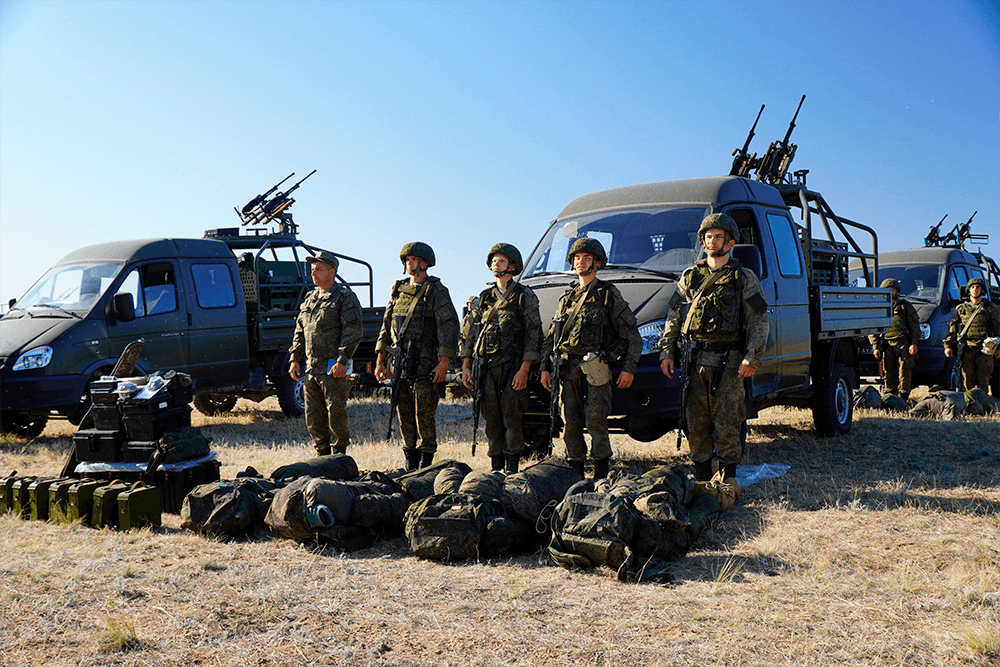
A day earlier, when Roskomnadzor confirmed it was imposing limits on the service, Russian “war correspondents” and pro-war channels harshly criticized the decision, noting that the messenger is a critical means of communication in some branches of the armed forces, most notably mobile air defense groups.
On the evening of Feb. 10, Telegram channels posted video appeals from Russian servicemen addressed to “comrades at Roskomnadzor,” asking them “not to slow down or block” Telegram.
“We’re fighting enemy drones so they don’t reach our beloved motherland, Russia. And Telegram is our only communications channel. Don’t take it away from us,” said one serviceman in a video, identifying himself as a fighter from a group called “Albatros.”
“Telegram remains, in many ways, almost the only means of communication in active units. It organizes the work of interagency mobile fire groups. Why the hell there still isn’t a unified interagency system of situational awareness of the air picture is a question for air defense,” wrote the channel Dva Maiora (lit. “Two Majors”).“Everything is tied to Telegram now and, unfortunately, as colleagues note, it is unlikely to work in MAX for objective reasons, namely the risk of being punished for warning about a threat, however surreal that may sound,” wrote Belarusian Silovik.“The Kremlin said it does not believe Telegram is critically important for communications in the ‘special military operation’ zone. But in reality, I know quite a few units that actively use Telegram for communications and coordination. That’s how it worked out,” wrote Boris Rozhin, who posts under the name Colonelcassad.“And how, in the view of the respected press secretary, does communication at the front happen? Everything is tied to Telegram chats: exchanges of information and coordinates, broadcasts, often done on the now-blocked Discord, and so on. The degree of detachment from reality is simply astonishing,” wrote the channel run by neo-Nazi Sabotage Assault Reconnaissance Group (DShRG) “Rusich.”Some war correspondents also said that in recent years Telegram has become a platform for centralized work by different units. “There are closed regional chats for interagency work of commanders of air defense groups, crews, mobile fire groups, and so on, where fighters write where a drone flew and where it was shot down. That is, immediate transmission of information from the ground,” Belarusian Silovik wrote as an example.
Regional authorities have also used Telegram channels to publish warnings about Ukrainian drone attacks. Vyacheslav Gladkov, governor of the Belgorod Region, which borders Ukraine, wrote on Feb. 10 that he was “worried about the slowdown of the messenger” and urged everyone to switch to the unencrypted government-backed alternative MAX.
“What am I worried about? Throughout our communication with you, my Telegram channel has been the main source for delivering information, above all information related to your safety, given the rapidly changing operational situation. I worry that slowing the Telegram channel could affect the delivery of urgent information to you if the situation worsens, and we are a front-line region,” he wrote, adding that people “of course need to register” with the MAX messenger as well.
Soldiers, however, are unlikely to be able to switch from Telegram to the “domestic messenger,” judging by posts on pro-war channels.
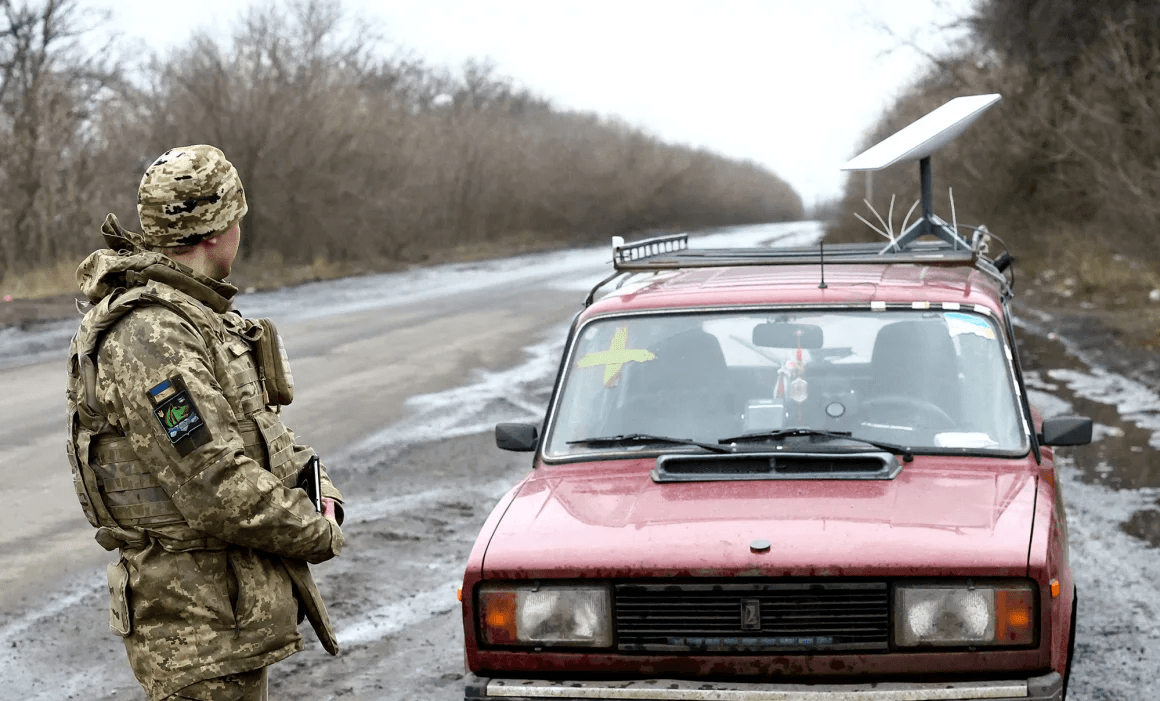
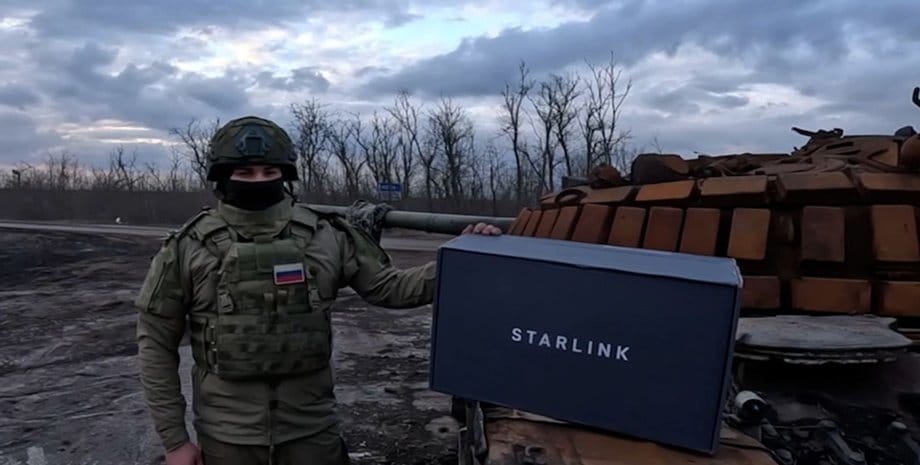
“Data that a radar operator sees on the screen, he won’t send it in MAX, because then the State Secrets Protection Service, internal security, and other oversight agencies will definitely pay him a visit,” wrote Dva Maiora.The “war correspondents” also noted that Russian troops in Ukraine have lost another important communications channel in the past month: internet via Starlink satellite terminals. In early February, Ukraine introduced mandatory registration for terminals operating across the country in an effort to cut off their use by the Russian military. After that, Russian pro-war bloggers reported that military tasks which were previously carried out with the aid of Starlink had become impossible.
“We think it’s clear what will happen if Telegram is shut down. Thousands of servicemen will be left without communications, which in the conditions of an ongoing offensive will lead to fatal consequences. And if you also consider that there are no Starlinks either, and in some directions communications still haven’t been established. Air defense units and maneuver groups that need interaction during drone raids will have problems, and essentially the only winner will be the enemy, because we unfortunately do not have a working alternative to Telegram,” wrote the channel Arkhangel Spetsnaza (lit. “Guardian angel of the special forces”).
Since Feb. 9, hundreds of users across Russia began reporting issues with the Telegram app. Then, on Feb. 10, the business publication RBC reported that Roskomnadzor would begin work to “slow” Telegram nationwide. The agency’s press service later confirmed the move, saying that the step-by-step restrictions were aimed at “securing compliance with Russian law and ensuring the protection of citizens.” The agency claimed that Telegram does not adequately protect user data and that it has failed to take meaningful steps to curb fraud and prevent the platform’s use in criminal and terrorist activity.